
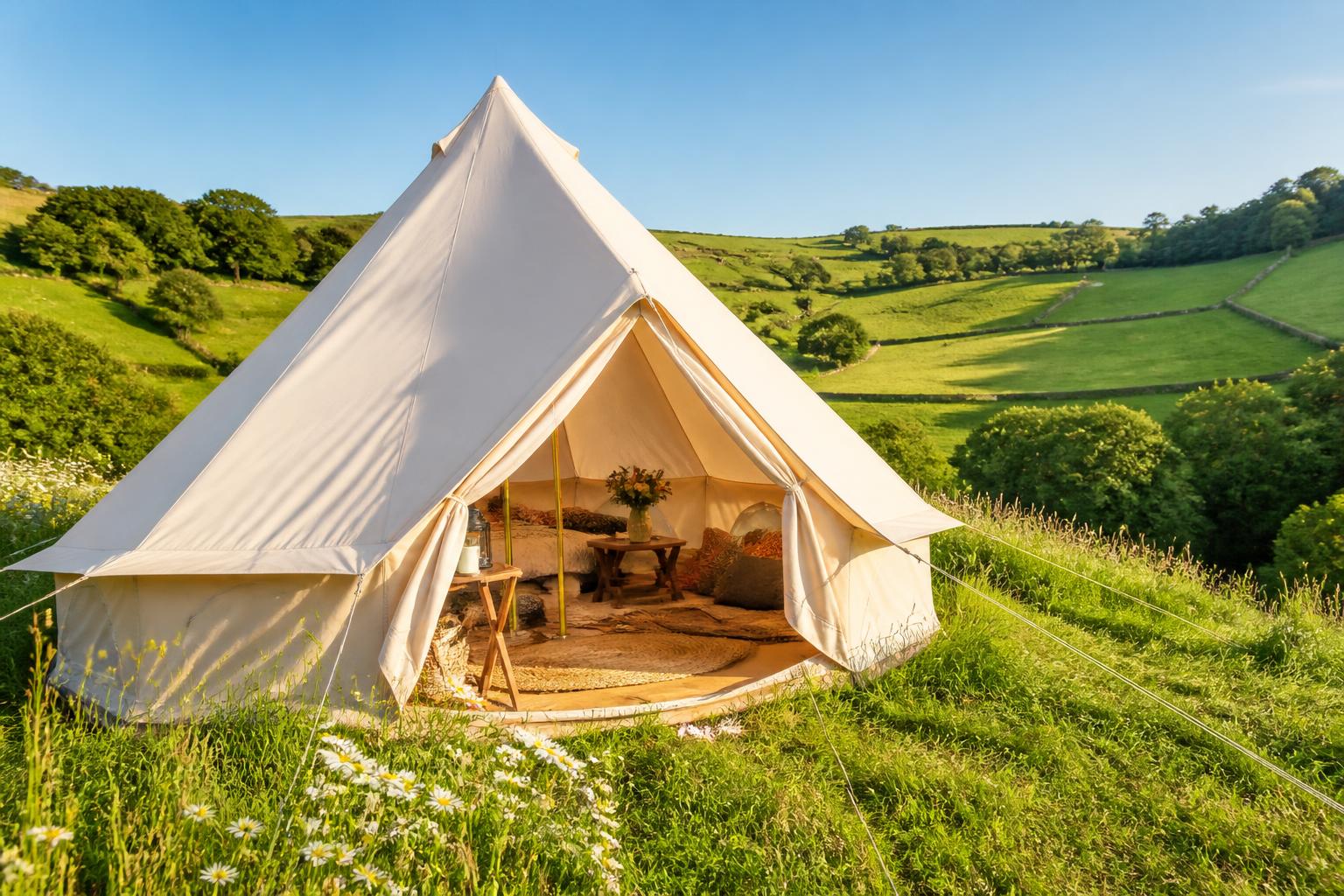
Camping, Glamping, Caravans and Log Cabins
Camping and glamping can offer an enjoyable and affordable way to take a break, spend time outdoors and explore different parts of the UK.
Accessible holidays
This information is for everyone. It also includes accessible holiday options, facilities and practical advice for disabled people and people with limited mobility.
What this page covers
Camping and glamping can offer an enjoyable and affordable way to take a break, spend time outdoors and explore different parts of the UK.
Choices across the UK include:
- traditional tent camping
- ready-pitched tents
- glamping pods, bell tents and yurts
- touring caravans
- static-caravan holidays
- motorhomes and campervans
- log cabins and holiday lodges
- accessible accommodation for disabled people
This guide explains the different choices, what to check before booking, accessibility questions to ask and how to stay safe.
Key points
- Facilities vary a great deal between sites, and even between units on the same site.
- Never use a barbecue, stove, heater or lantern inside a tent, awning, pod or cabin.
- Ask the site directly about accessibility before you pay anything.
- Check the weather forecast and warnings before you travel.
- Sixpence Support UK does not inspect, approve or recommend individual campsites or glamping providers.
Urgent help — call 999
Call 999 immediately if there is a fire, someone is unconscious, someone is struggling to breathe, or someone may have severe carbon-monoxide poisoning.
If carbon monoxide is suspected, move everyone into fresh air, leave the enclosed area and seek urgent medical help. Do not go back inside until it has been declared safe.
1. Choosing the right type of holiday
- Traditional tent camping — you bring and pitch your own tent. Usually the cheapest choice, but you provide almost everything yourself.
- Ready-pitched tents — the tent is already put up when you arrive. Useful if you cannot pitch a tent or are arriving late.
- Bell tents and yurts — larger canvas accommodation, often furnished with beds, rugs and lighting.
- Glamping pods and cabins — solid structures with a door and a floor. Often heated, and sometimes with a private shower and toilet.
- Trailer tents — a folding unit towed behind a car, giving a raised sleeping area off the ground.
- Caravans and motorhomes — your own or hired. They usually have beds, cooking facilities and heating, and sometimes a toilet and shower.
- Holiday parks with camping or glamping facilities — larger sites that may also have shops, cafés, entertainment and organised activities.
Glamping may provide beds, electricity, heating and private washing facilities, but facilities vary considerably between sites. Always check what is included in the unit you are booking.
2. Caravan, Log Cabin and Lodge Holidays
- Touring caravans — towed behind a car and pitched on a site, usually with an electric hook-up. You normally provide bedding, towels and cooking equipment yourself.
- Static holiday caravans — stay in one place on a holiday park and are hired for a stay. They usually have a kitchen, a bathroom and heating, but standards vary between models.
- Motorhomes and campervans — you drive and sleep in the same vehicle. Space is limited and facilities range from very basic to a full toilet, shower and heating.
- Log cabins — solid timber buildings, usually with heating, a kitchen and a private bathroom. Some have a veranda or hot tub.
- Holiday lodges — larger, more permanent units on a park, often with two or more bedrooms and better insulation for colder weather.
Before booking a caravan, cabin or lodge, check:
- whether bedding, towels and cooking equipment are provided
- heating, electricity and hot-water facilities
- whether toilets and showers are private or shared
- parking and the distance from the accommodation
- steps, ramps and wheelchair access
- accessible bedrooms, bathrooms and wet rooms
- space for mobility equipment, including somewhere to charge it
- assistance-dog arrangements
- deposits, extra charges and cancellation rules
- whether hot tubs and outside areas are accessible and safe to use
- whether the accommodation is suitable during colder weather
Facilities and accessibility vary a great deal, even between units on the same park, so contact the provider and explain your requirements before paying anything.
3. What to check before booking
- the full cost and any booking deposit
- cancellation and refund rules
- check-in and departure times
- parking distance from the pitch or accommodation
- toilets, showers and washing facilities
- electricity and charging points
- cooking facilities
- mobile-phone signal and Wi-Fi
- shops, food and public transport nearby
- whether children, pets or assistance dogs are accepted
- whether bedding, towels and cooking equipment are provided
Do not assume that every glamping unit contains the same facilities. Two pods on the same site can be very different.
4. Accessible camping and glamping
Disabled people can enjoy camping and glamping, and many sites welcome disabled visitors, older visitors and carers. Accessibility differs a great deal between sites, so it is worth checking the details carefully rather than relying on a general description.
Accessibility can vary by location. Check directly before travelling.
Things you may want to check:
- step-free access
- level or hard-standing pitches
- accessible parking close to the accommodation
- wide entrances and enough turning space for a wheelchair
- accessible toilets, showers and wet rooms
- grab rails, shower seats and emergency pull cords
- ramps and the gradient of paths
- firm paths rather than loose gravel, grass or mud
- accessible beds and space beside the bed
- hoists or other specialist equipment, where required
- electricity for charging mobility or medical equipment
- refrigeration for medication
- quiet areas for people with sensory needs
- assistance-dog arrangements
- accessible transport and nearby attractions
- emergency evacuation arrangements
Contact the site directly and explain your individual requirements before paying. If measurements are important to you, ask the site for exact measurements or photographs rather than relying only on the word “accessible”.
5. Questions to ask the campsite
You can copy these questions into an email or read them out over the telephone:
- Can I park beside the pitch, pod or cabin?
- Is the route from the car park level and step-free?
- How far away are the toilets and showers?
- Are accessible washing facilities available day and night?
- Are paths suitable for my wheelchair, scooter or walking aid?
- Is there an electrical socket for essential equipment?
- Is there somewhere secure to store or charge mobility equipment?
- Can a carer or personal assistant stay with me?
- Are assistance dogs accepted?
- What help is available during an emergency?
Ask for the answers in writing where you can, so there is no misunderstanding on arrival.
6. What to take
- suitable tent, pegs and groundsheet
- sleeping bag, blankets and sleeping mat
- warm and waterproof clothing
- torch and spare batteries
- charged mobile phone and power bank
- drinking water and suitable food
- first-aid kit
- sun cream, hat and insect repellent
- regular medication and copies of prescriptions
- mobility or medical equipment
- emergency contact information
- rubbish bags
- any accessibility equipment needed for sleeping, washing or moving safely
Prepare for colder nights, rain and changing weather, even during the summer. Nights outdoors can feel much colder than the daytime temperature suggests.
7. Fire and carbon-monoxide safety
Never use a barbecue, camping stove, heater, lantern or other fuel-burning equipment inside a tent, awning, pod or other enclosed space. Carbon monoxide cannot be seen, smelled or tasted and can be fatal. A cooling barbecue can continue producing carbon monoxide.
- cook outside and away from tents
- follow the campsite’s fire and barbecue rules
- never leave cooking equipment unattended
- keep a clear route out of the tent or accommodation
- do not light fires unless the site specifically permits them
- put barbecues out completely and ensure ashes are cold
- keep matches, lighters and fuel away from children
8. Weather and personal safety
- check the weather forecast and warnings before leaving
- avoid exposed locations during strong winds or storms
- know the campsite address and location
- tell someone where you are staying
- keep essential medication dry and at the correct temperature
- take extra care around rivers, lakes, cliffs and open fires
- follow all campsite instructions
- leave if conditions become unsafe
9. Wild camping and protecting the countryside
Wild-camping rules differ across the UK. In England and Wales, you will usually need the landowner’s permission before camping on their land. Backpack camping is permitted only in designated parts of Dartmoor, subject to its current rules and camping map.
Check the rules for the exact area before travelling, use recognised campsites where possible, take all rubbish home and follow the Countryside Code. Open access land does not automatically give a right to camp.
10. Finding suitable places to stay
These organisations publish information about accessible camping, caravanning and glamping, and about staying safe outdoors. Tourism for All, the Camping and Caravanning Club and the Caravan and Motorhome Club are independent organisations.
Sixpence Support UK does not inspect, approve or recommend individual campsites. You must check suitability, accessibility, prices and availability directly with the provider.
Important information
This information is for general guidance only. It does not replace advice from the campsite, accommodation provider or a qualified professional, and it is not medical advice. Facilities, prices, accessibility and rules can change at any time, so always confirm the details directly with the provider before you book or travel.
- [1] GOV.UK. The Countryside Code · 2026
- [2] GOV.UK. Open access land: rights of way · 2026
- [3] The Camping and Caravanning Club (independent organisation). Camping for disabled people · 2026
- [4] Tourism for All (independent charity). Accessible camping, caravans and glamping · 2026
- [5] London Fire Brigade. Carbon monoxide safety · 2026
- [6] Dartmoor National Park Authority. Backpack camping rules and map · 2026
- [7] The Caravan and Motorhome Club (independent organisation). Accessibility · 2026
- [8] Met Office. Weather forecasts and warnings · 2026