
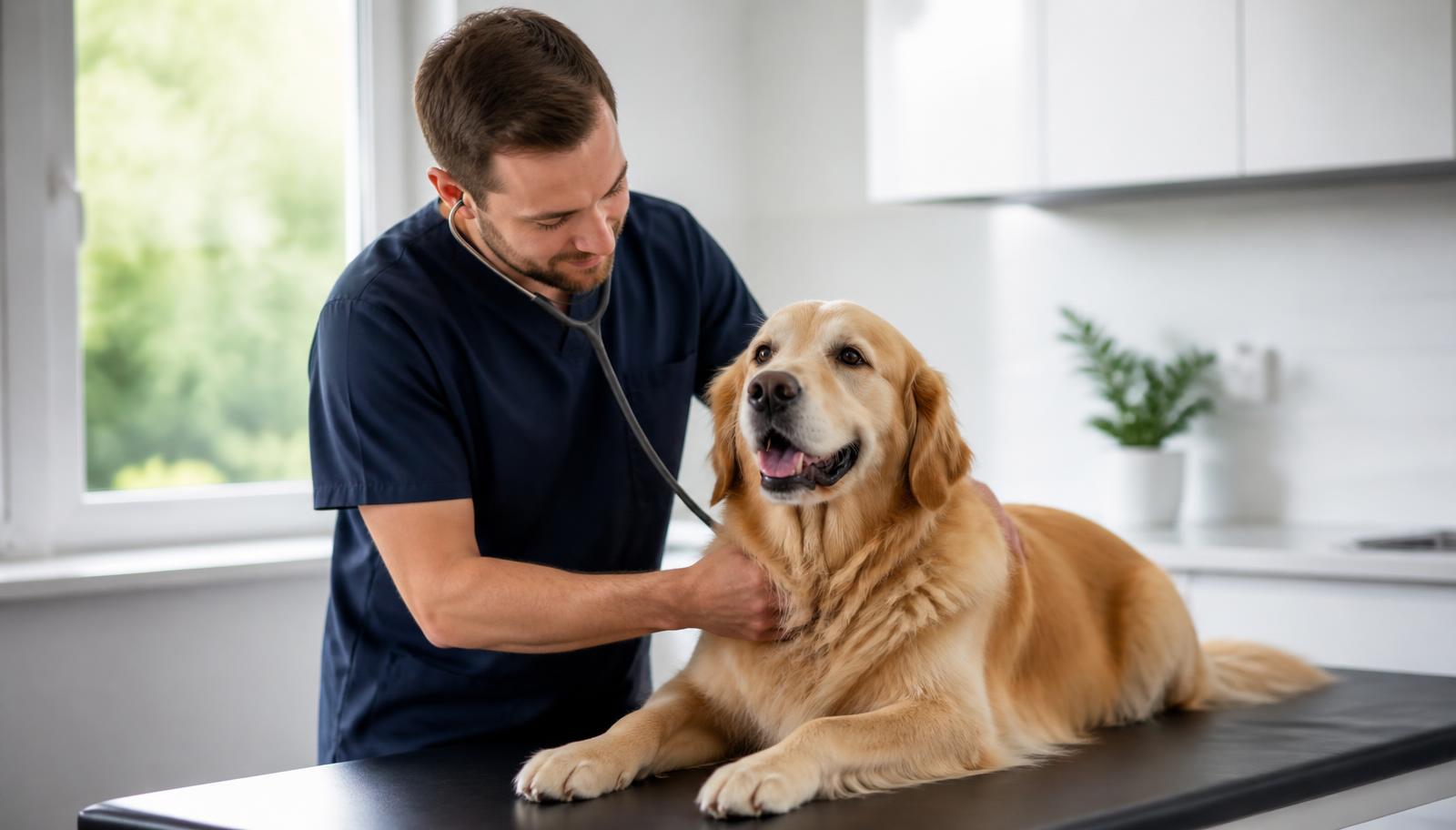
Emergency and Out-of-Hours Vets
Urgent help for an ill or injured animal: when to ring a vet straight away, how UK out-of-hours veterinary care works and what to take with you.
Finding urgent veterinary help
A pet can become seriously ill or injured at any time. This page explains when to contact a vet urgently, how out-of-hours veterinary care works and what to prepare before travelling.
If you are unsure whether your animal needs emergency treatment, telephone a veterinary practice and describe what has happened. A veterinary professional can advise whether your animal needs to be seen immediately.
Contact a vet immediately
Call a vet or emergency veterinary service immediately if an animal:
- Is struggling to breathe, choking or breathing unusually
- Has collapsed, is unconscious or cannot stand
- Is having a seizure or repeated seizures
- Is bleeding heavily or the bleeding will not stop
- Has been hit by a vehicle or suffered a serious fall
- Has a severe wound, burn or suspected broken bone
- Appears to be in severe pain
- Has a swollen or suddenly enlarged abdomen
- Is repeatedly trying but unable to pass urine
- May have swallowed poison, human medication, chemicals or a dangerous object
- Has severe or repeated vomiting or diarrhoea, particularly with blood
- Is suffering from suspected heatstroke
- Has suddenly become extremely weak, confused or unresponsive
- Is having serious difficulty giving birth
This list does not cover every emergency. If you are seriously worried, telephone a vet and ask for advice.
Do not give an animal human medicine unless a vet has specifically told you to do so. Some medicines used by people can be extremely dangerous to animals.
What to do first
- Telephone your usual veterinary practice, even if it is closed. Its recorded message or website should explain how to contact the out-of-hours service.
- Call before travelling. The emergency service may be at a different practice or clinic.
- Follow the veterinary team’s instructions. Do not attempt home treatments unless a veterinary professional advises you to do so.
- Keep yourself safe. An injured or frightened animal may bite or scratch, even if it is normally gentle.
- Move the animal carefully. Use a secure carrier for smaller animals where possible. Avoid unnecessary movement if you suspect a serious injury.
- Take any useful information with you, including medication, insurance details and the packaging from anything the animal may have swallowed.
How out-of-hours veterinary care works
- Veterinary practices in the UK must make arrangements for 24-hour emergency first aid and pain relief.
- Your usual practice may provide this itself, share cover with another practice or direct you to a dedicated emergency clinic.
- The emergency clinic may be some distance away. Save the telephone number and address before an emergency happens.
- People who are away from home or not registered with a local veterinary practice should still contact the nearest veterinary service for urgent advice.
Costs and payment
Out-of-hours appointments normally cost more than routine appointments. Additional tests, medication, overnight care or treatment may also be charged separately.
Ask the veterinary practice to explain:
- The emergency consultation charge
- What immediate treatment is recommended
- What further tests or treatment may cost
- When payment will be required
- Whether insurance can be used
- Whether any payment arrangements are available
Do not delay contacting a vet because you are worried about cost. Explain your circumstances immediately and ask which treatment is most urgent.
Suspected poisoning
If you think an animal has swallowed, inhaled or touched something poisonous:
- Contact a vet immediately
- Keep the container, packet, label or a photograph of the substance
- Tell the vet approximately how much may be involved and when it happened
- Do not make the animal vomit unless a vet instructs you to do so
- Do not wait for symptoms to appear
About Animal PoisonLine
Animal PoisonLine is a specialist telephone service for pet owners who think an animal may have been poisoned. It may charge for calls, and charges can change, so check the current cost on its own website before ringing.
Contacting a veterinary practice remains the correct action when an animal is seriously unwell.
Preparing before an emergency
- Save your usual vet’s number on your telephone
- Check who provides the practice’s out-of-hours care
- Save the emergency clinic’s address
- Plan how you would transport your animal at night
- Keep the animal’s medication and insurance details together
- Keep a suitable carrier, lead or secure restraint available
- Make arrangements for assistance if disability, illness or lack of transport could make travelling difficult
Trusted information
Important information
Sixpence Support UK provides general information and trusted links. We cannot assess an animal, diagnose a condition or provide emergency veterinary treatment. Contact a veterinary professional if an animal is ill, injured or in distress.