
Exploring All Cat Breeds
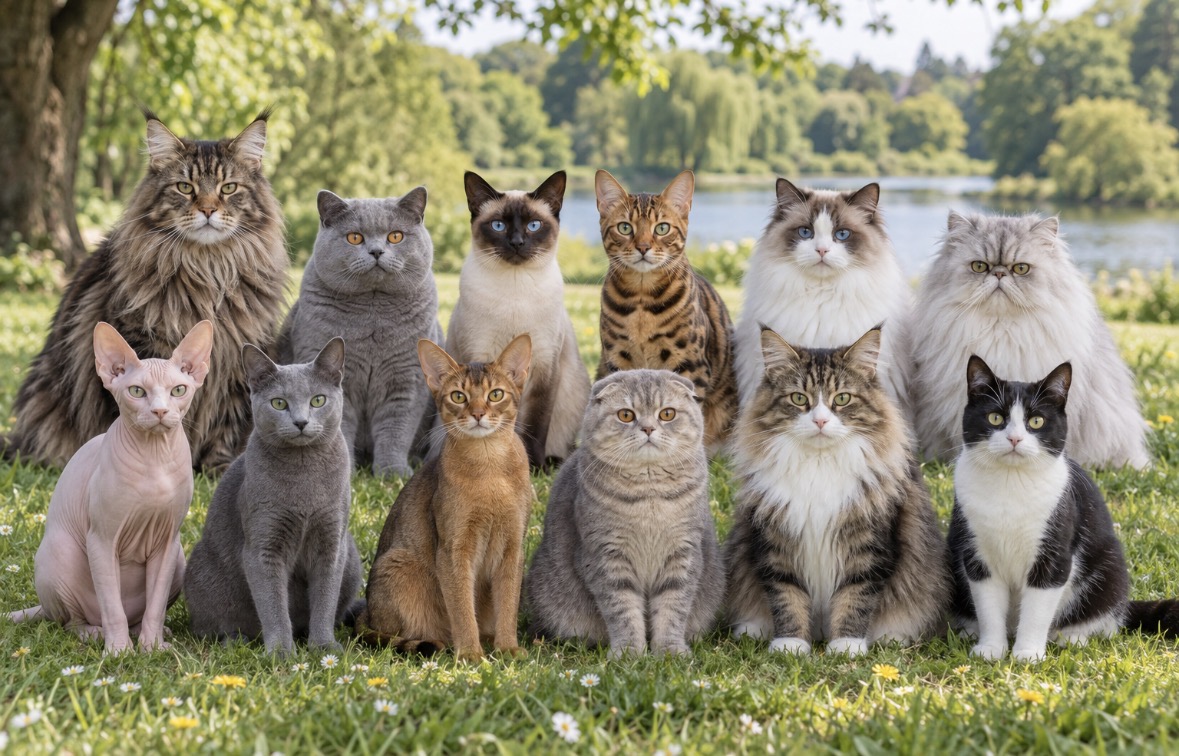
Cats come in many different sizes, shapes and personalities. Learning about a breed’s likely activity, grooming, company and health needs can help you decide whether that type of cat may suit your home and way of life.
Every cat is an individual. Breed information can describe common tendencies, but it cannot guarantee health, temperament or behaviour. This practical guide is not a marketplace, breeder directory or recommendation service.
Before choosing a cat
Do not choose a cat because of appearance alone. Consider lifelong food, insurance, veterinary care, grooming, play, company and housing costs. Adoption centres also have cats of many ages and personalities needing homes.
Search and filter the breeds
This directory contains 62 clear profiles covering TICA’s current pedigree breed entries, with closely related coat, tail and leg-length variants grouped to avoid repetition. Checked 17 September 2026; recognition and naming can change.
Cat-breed directory
Search for a breed, choose a letter or use the filters to begin.
Important breed and welfare considerations
Flat faces and extreme features
Very flat faces can be associated with breathing, eye, dental, skin and birth problems. Choose normal function over an extreme look and seek an independent veterinary assessment.
Folded ears, short legs and shortened tails
Folded ears are caused by a cartilage disorder that can cause painful joint disease. Genes affecting short legs or absent tails can also affect mobility, spine, nerves or bowel function. Ask an independent vet about welfare before choosing.
Hairless and sparse-coated cats
Hairless cats are not maintenance-free or guaranteed not to trigger allergies. They may need skin and ear care, warmth and sun protection.
Wild-hybrid-derived breeds
Chausie, Savannah and Bengal ancestry may bring demanding activity and enrichment needs. Check housing, insurance and legal restrictions, particularly for earlier-generation hybrids, before committing.
Inherited conditions and health checks
Ask which DNA tests, scans and clinical examinations apply to the breed. See original certificates for both parents and discuss results with an independent vet; a registration document is not a health guarantee.
Choosing a cat responsibly
Choose for health, welfare and individual temperament, not fashion or rarity. Consider adopting from a reputable rescue. If buying, visit the kitten with its mother where it was raised, check records, never accept pressure to pay, and walk away from poor welfare.
Can you offer a suitable lifelong home?
Think about work, housing, finances, other animals, children and who could care for the cat during illness or holidays. Cats need daily care and many live well into their teens.
Adoption or a responsible breeder
A rescue can help match an individual cat to your home. A responsible breeder welcomes questions, shows health evidence, allows visits, does not release kittens too young and will take responsibility if circumstances change.
Preparing the home
Provide separate food, water, litter trays, beds, hiding places, scratching surfaces and high resting places. Introduce people, pets and new spaces gradually.
Veterinary care and identification
Register with a vet, discuss vaccination, parasite control, neutering and dental care, and keep microchip details current. Rules differ across the UK, so check current national guidance.
Other Sixpence Support UK animal and pet pages
Trusted sources
These organisations publish current cat-breed, welfare, adoption and care information.
Important note
Breed characteristics are broad guides and individual cats differ. This page does not replace advice from a veterinary professional or qualified behaviourist. If a cat is ill, injured, struggling to breathe, has collapsed or may have been poisoned, contact a veterinary practice immediately.
Information and links checked: September 2026.
- [1] TICA. Browse all breeds
- [2] TICA. Browse breeders
- [3] GCCF. Cat breeds
- [4] GCCF. Choosing a kitten
- [5] GCCF. Finding a breeder
- [6] Cats Protection. Adopt a cat
- [7] Cats Protection. Extreme traits
- [8] RSPCA. Cat welfare advice
- [9] PDSA. Kitten and cat advice