
Burns and Scalds: First Aid and When to Get Help
Clear, calm first aid for burns and scalds — what to do in the first few minutes, when to call 999, and how to look after a burn afterwards.
If a burn has just happened
The first few minutes matter more than anything else on this page. Cool the burn under cool or lukewarm running water for 20 minutes, then read the rest when there is time. Cooling properly reduces pain and can limit how deep the injury becomes.
This page gives general first-aid information only. It is not a diagnosis and does not replace advice from a healthcare professional or the emergency services.
What to do immediately
- Stop the burning process and move away from the source — without putting yourself in danger.
- Remove clothing, jewellery, watches, belts, shoes or nappies near the burn before swelling starts — but never pull away anything stuck to the skin.
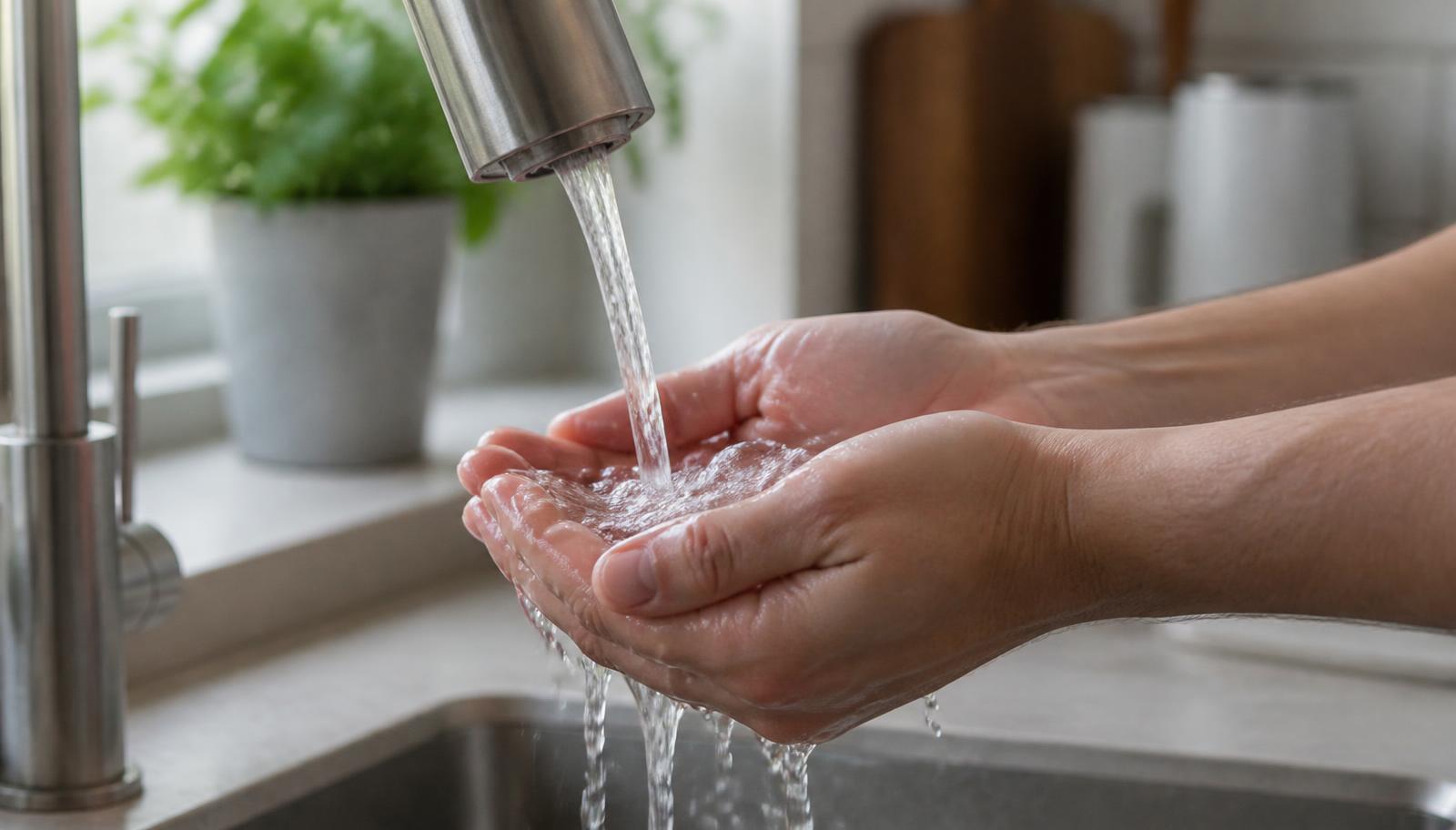
- Cool the burn under cool or lukewarm running water for 20 minutes, as soon as possible.
- Do not use ice, iced water, butter, toothpaste, creams, gels, oils or greasy substances.
- Keep the rest of the person warm with a blanket or clothing — without covering or rubbing the injured area.
- After cooling, lay cling film loosely over the burn, or use a clean, dry, non-fluffy dressing. Do not wrap cling film tightly around a limb.
- If you are unsure what help is needed, contact NHS 111.
Call 999 or go to A&E
Get emergency help straight away if there is:
- a severe, very large or deep burn
- skin that looks white, leathery or charred
- a burn affecting the face, neck, eyes, hands, feet, major joints or genitals
- any acid or chemical burn
- an electrical burn or electric shock
- smoke or fume inhalation
- difficulty breathing, severe coughing, facial burns or singed nasal hair
- signs of shock, collapse, confusion or loss of consciousness
- a fire or dangerous situation that is not under control
Do not enter a dangerous area, and do not touch anyone who is still connected to an electricity supply. The supply must be safely switched off or isolated first. Call 999 and wait for help if you cannot do this safely.
What burns and scalds are
A burn is damage to the skin, and sometimes deeper tissue, caused by dry heat, fire, electricity, chemicals, radiation (including sunlight) or friction. A scald is the same kind of injury caused by hot liquid or steam — for example a hot drink, a kettle, a bath or a pan.
First aid is the same for both: stop the burning, cool the area with running water for 20 minutes, keep the person warm, and cover the burn loosely afterwards.
What a burn may look and feel like
- redness of the skin, which may be harder to see on brown or black skin
- peeling skin
- swelling
- pain and tenderness
- blisters
- white, waxy or charred skin in deeper burns
Importantly, the amount of pain does not always show how serious a burn is. Some deep burns hurt less because the nerves in the skin have been damaged. Judge by the size, depth and location of the injury — not by pain alone.
When hospital treatment is needed
Go to A&E, or seek urgent medical assessment, for:
- burns larger than the injured person's hand
- deep burns of any size
- burns on the face, neck, hands, feet, genitals or a major joint
- circumferential burns — burns that go all the way around a limb, finger, toe or another body part
- all electrical and chemical burns
Also seek medical help promptly for burns affecting:
- babies and young children
- older or frail people
- people with diabetes, or heart, lung or liver conditions
- people with a weakened immune system
- anyone who is pregnant, if you are unsure what to do
Minor burns and scalds
Some small, superficial burns — for example a minor scald on the forearm that is smaller than the person's hand and has been cooled properly — can be looked after at home.
If there is any doubt about the size, depth or position of a burn, please contact NHS 111, a pharmacist, a GP practice, an urgent treatment centre or a minor injuries unit. It is always reasonable to ask.
Covering the burn safely
Once the burn has been cooled for 20 minutes, cover it to keep it clean and reduce pain:
- Lay cling film loosely over the burn in layers. Do not wrap it tightly around a limb, because the area may swell.
- A clean plastic bag can be a good option for a burn on a hand or foot.
- Otherwise use a clean, dry, non-fluffy dressing.
- Do not use fluffy material such as cotton wool, sticky dressings placed directly on the burn, or tight bandages.
Blisters
Blisters form a natural, sterile cover over damaged skin, so they help it heal. Do not deliberately burst a blister.
If a blister breaks on its own, keep the area clean and dry, avoid picking at loose skin, and ask a pharmacist, GP or nurse about a suitable dressing. Seek advice if the area becomes more painful, red or swollen.
Acid and chemical burns — call 999
Chemical burns can keep damaging the skin until the chemical is removed. Act quickly and safely:
- Call 999.
- Protect yourself — wear suitable gloves if they are available, and avoid contact with the chemical.
- Carefully remove contaminated clothing if it is safe to do so and it is not stuck to the skin.
- If the chemical is dry or powdered, carefully brush it off the skin before rinsing.
- Rinse the affected area with plenty of cool or lukewarm running water, following current NHS guidance and any instructions from the 999 handler.
- Do not apply creams, other chemicals, or anything intended to neutralise the substance.
- All chemical burns need hospital assessment, even if the skin looks only mildly affected.
If you have the container or a photograph of the chemical's label, take it with you or give the details to the emergency services — but never delay treatment to look for it.
Electrical burns and electric shocks
An electrical injury can look small on the skin while causing more serious damage inside the body, including to the heart. Anyone who has had an electric shock should be medically assessed, even if they feel well.
- Do not touch the person while they are still in contact with the electricity supply.
- Switch off the supply at the mains or unplug the appliance if it is safe to do so, then call 999.
- Once it is safe, begin normal burn first aid and stay with the person.
High-voltage electricity — such as overhead power lines, railway lines or substations — can arc across a distance. Do not approach. Stay well back, keep others away and call 999 so the supply can be isolated by the network operator.
Lightning strikes also cause internal injury and heart rhythm problems. Call 999 and get the person assessed in hospital.
Smoke and fume inhalation
Breathing in smoke or fumes can injure the airway and lungs. Watch for:
- coughing, a sore throat or a hoarse voice
- difficulty breathing or wheezing
- burns to the face, soot around the mouth or nose, or singed nasal hair
- headache, dizziness, confusion or nausea
Some symptoms can be delayed by several hours, so anyone who has been in a smoke-filled space should be assessed even if they seem well at first. Call 999 for any breathing difficulty.
Burns affecting the face or eyes
Burns to the face need urgent assessment, because swelling can develop quickly and may affect breathing, and because eye injuries can affect sight.
If a chemical enters an eye, call 999 immediately and follow the handler's instructions while rinsing the eye with clean water. Keep the eye open as far as is comfortable and let the water run away from the unaffected eye. Do not delay calling for emergency help in order to rinse first — do both if someone else can call.
Burns in babies and children
Children have thinner, more delicate skin, so a burn can be deeper than it looks. They also lose heat quickly while a burn is being cooled.
- Cool the burn for 20 minutes, but keep the rest of the child warm.
- Remove nappies and nearby clothing before swelling starts, unless anything is stuck to the skin.
- Seek medical advice for any burn in a baby or young child, and call 999 for anything large, deep or affecting the face, hands, feet or genitals.
Everyday prevention that genuinely helps:
- Keep hot drinks out of reach and away from table edges — a hot drink can scald a child many minutes after it is made.
- Keep kettle and appliance cords short and pushed back.
- Turn pan handles inwards and use the back rings where possible.
- Run cold water into the bath first and test the temperature with your elbow.
- Store hair straighteners and irons out of reach while they cool — they stay hot for a long time.
- Use a fireguard for open fires and heaters.
Burns affecting older or vulnerable people
Skin becomes thinner with age, so a burn can be deeper than expected. Reduced mobility may mean someone cannot move away from the heat quickly, and altered sensation — for example from diabetes or a nerve condition — can mean a burn is noticed late.
Diabetes and poor circulation also slow healing and increase the risk of infection, and older people can become cold quickly while a burn is being cooled — so keep the rest of the body warm.
Please have a lower threshold for seeking clinical advice in these situations. A burn that would be minor in a fit younger adult may need proper assessment.
Sunburn
Sunburn is a burn caused by ultraviolet light. If someone is sunburnt:
- get them out of the sun, ideally indoors or into full shade
- cool the skin with a cool shower, bath or a damp flannel
- drink plenty of fluids to avoid dehydration
- cover the skin with loose clothing and keep it out of the sun until it has healed
- ask a pharmacist about suitable after-sun or pain relief
Contact NHS 111 if the skin is severely blistered or swollen, if a large area is affected, or if there is dizziness, confusion, headache, a high temperature, vomiting or other signs of heat exhaustion or heatstroke. Call 999 if someone is very unwell, confused or unresponsive.
If clothing catches fire
The recognised instruction is short and easy to remember:
- Stop — do not run, because running feeds the flames.
- Drop to the ground.
- Roll over repeatedly to smother the flames.
- Then call 999 and begin burn first aid once it is safe to do so.
Smothering the flames with a heavy fabric such as a fire blanket or coat can help. Never put yourself in danger, and never use anything that could make the fire worse.
Pain relief
Burns can be very painful. A pharmacist, GP or nurse can advise on pain relief that is suitable for the person's age, health conditions and other medicines.
Always read and follow the label and patient information leaflet. We do not give doses on this page. Aspirin should not be given to children unless a doctor has specifically prescribed it.
If pain is severe or not controlled, please contact NHS 111 or the treating service.
Healing and looking after a burn
- Keep dressings clean and dry.
- Follow the dressing-change instructions given by the clinic or nurse — do not remove clinical dressings early without advice.
- Elevate a burnt hand, arm, foot or leg if you have been advised to, as this reduces swelling.
- Protect healing skin from sunlight for many months, using clothing and a high-factor sunscreen once the skin has healed — new skin burns very easily and can darken permanently.
- Moisturise healed skin regularly if advised, and avoid scratching.
Infection and worsening symptoms
Contact NHS 111, a GP or the service treating the burn if there is:
- increasing pain rather than gradually settling pain
- spreading redness, swelling or warmth around the burn
- pus or an unpleasant smell
- a high temperature, shivering, or feeling generally unwell
- fluid soaking through the dressing
- a burn that is not healing as expected
Call 999 if someone becomes confused, very drowsy, breathless or extremely unwell.
Scarring, movement and emotional effects
Healing skin often feels itchy, tight or unusually sensitive for some time, and deeper burns can leave scars or changes in skin colour. Regular moisturising, gentle massage once advised, and pressure garments or silicone products where recommended can all help.
A burn across a joint can cause stiffness. Physiotherapy and occupational therapy help restore movement and daily function, and can be arranged through the burns service or GP.
A serious burn can also affect confidence, sleep, mood and how someone feels about their appearance. That is a normal reaction, not a weakness. Please speak to the burns team, GP or a support organisation — help is available and it works.
Preventing burns and scalds at home
- Fit smoke alarms and test them monthly; many fire and rescue services offer a free home safety visit.
- Place hot drinks well away from edges, laps and children.
- Keep kettle cords and pan handles out of reach.
- Run cold water first into a bath and always test it before anyone gets in.
- Let irons, straighteners and grills cool somewhere safe and out of reach.
- Use fireguards and radiator covers where children, older or unwell people are at risk.
- Store chemicals in their original containers, clearly labelled, locked away and never decanted into drinks bottles.
- Take care with hot water bottles, heat pads and microwaved wheat bags.
Preparing to speak to a clinician
A short note makes the assessment quicker and safer:
- when and how the injury happened
- what caused the burn — heat, liquid, steam, chemical, electricity, friction or sunlight
- how long it was cooled under running water
- the body area affected
- the approximate size — for example compared with the injured person's hand
- any breathing problems or smoke exposure
- any chemical or electrical involvement, and the name of the chemical if known
- the person's age, health conditions and medicines, including allergies
- whether the injury may have been caused deliberately
If a burn was caused deliberately, or someone may be unsafe
Occasionally a burn happens because someone has been hurt on purpose, or is living in a situation that is not safe. If that is the case, you have not done anything wrong and help is available.
In an emergency, or if anyone is in immediate danger, call 999. If you cannot speak safely, call 999 and then press 55 from a mobile so the call can be handled silently.
Healthcare staff are used to these conversations and will treat the injury first. You can tell them as much or as little as you wish.
Trusted UK sources
These links open the official NHS and government pages for each UK nation. Guidance is updated from time to time, so it is always worth checking the source for your own nation.
Free help from us
If you need help finding a local NHS service, or support writing a letter, email or complaint after an injury, we can help — free of charge.
Please speak to a healthcare professional
Sixpence Support UK provides general information and first-aid guidance only. We cannot assess an injury, give a diagnosis, or recommend or supply medicines, and this page is not a substitute for advice from a qualified healthcare professional or the emergency services. If you are worried about a burn or scald, please contact NHS 111, a pharmacist or a GP — and call 999 in an emergency.
- [1] NHS. Burns and scalds · 2026
- [2] NHS. First aid · 2026
- [3] NHS. Acid and chemical burns · 2026
- [4] NHS. Sunburn · 2026
- [5] NHS 111. Get help for your symptoms (England) · 2026
- [6] NHS inform (Scotland). Burns and scalds · 2026
- [7] NHS 111 Wales. Health advice and services · 2026
- [8] nidirect (Northern Ireland). Health services · 2026
- [9] NHS. Find an urgent treatment centre · 2026
- [10] NHS. Urgent and emergency care services · 2026
- [11] NHS. Pharmacy services · 2026