
Courts in England and Wales — Understanding the Different Courts and Getting Help
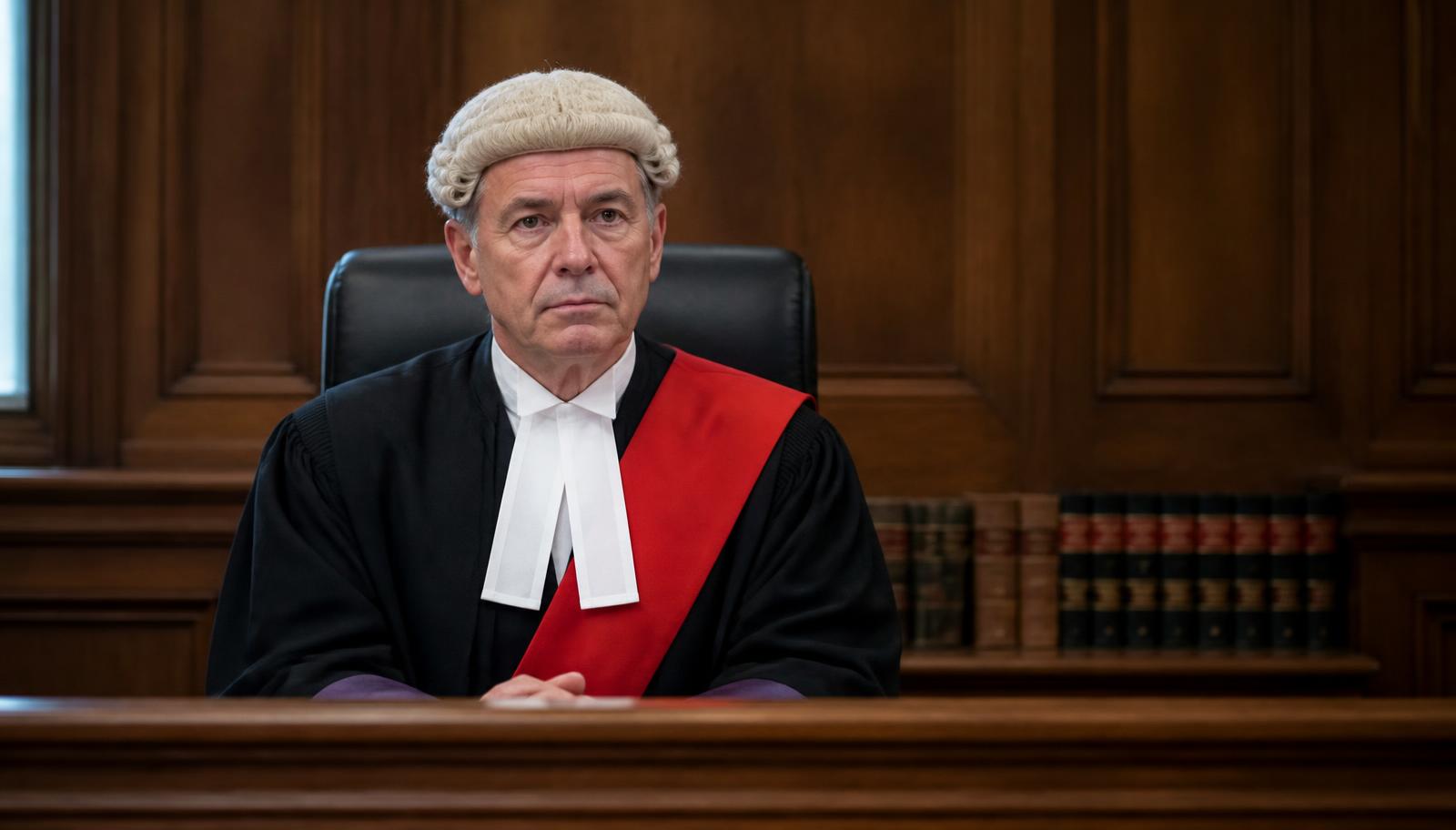
A calm, plain-English explanation of the main courts, what each one deals with, and where to get help if court papers arrive.
Receiving court papers or being told to attend court can feel frightening. Understanding which court is involved, what it deals with and where to get help can make the situation easier to manage. This page explains the main courts in England and Wales and what someone should do if they receive official court documents.
Do not ignore court papers
Deadlines are different in every case. Check the date printed on your own documents and get advice as soon as you can. If you are not sure whether papers are genuine, contact the court using contact details you have looked up yourself on GOV.UK Find a court or tribunal.
Understanding the court system
Criminal cases and civil cases are dealt with by different courts. Criminal cases are about whether someone has broken the law and may be punished. Civil cases are disagreements between people, landlords, companies or organisations — often about money, housing, goods, services or family arrangements.
The information on this page mainly covers England and Wales. Scotland and Northern Ireland have separate court systems, with different court names, structures and procedures.
The official overview of how the courts fit together is published by the Courts and Tribunals Judiciary.
Magistrates' Courts
All criminal cases begin in a Magistrates' Court. These courts normally deal with less serious criminal offences, many motoring offences, decisions about bail, and some family matters.
Cases are usually heard by magistrates or by a district judge, without a jury. Magistrates are trained members of the public who sit with a legal adviser in the courtroom.
More serious criminal cases can be sent to the Crown Court, either for the trial itself or for sentencing.
Official information: GOV.UK — Criminal courts and Judiciary — Magistrates' court.
Crown Court
The Crown Court deals with:
- serious criminal cases
- trials in front of a judge and a jury
- sentencing for serious offences
- certain appeals against decisions made in a Magistrates' Court
A judge deals with the law and the sentence. Where there is a jury, the jury decides the facts — whether the case against the defendant has been proved.
Official information: Judiciary — Crown Court.
County Court
The County Court deals mainly with civil disagreements. It is not a criminal court and it does not decide whether someone is guilty of a crime. Cases it commonly deals with include:
- debt claims and money claims
- housing and possession cases, including rent arrears and eviction claims
- disputes about goods or services
- personal injury claims
- some business disputes
Official information: Judiciary — County Court.
Family Court
The Family Court deals with family matters, including:
- arrangements for children, such as who they live with and spend time with
- financial disputes connected with divorce or the ending of a civil partnership
- domestic abuse protection orders
- care proceedings brought by a local authority
- adoption
Official information: Judiciary — Family Court. Our adoption page and abuse and domestic abuse page may also help.
High Court
The High Court deals with serious or complicated civil and family cases, judicial reviews (challenges to decisions made by public bodies) and certain appeals. It works in three parts:
- King's Bench Division — larger claims such as serious injury, contract disputes and judicial review.
- Chancery Division — business, property, wills, trusts and company matters.
- Family Division — the most serious or complicated family cases.
Official information: Judiciary — High Court.
Court of Appeal and UK Supreme Court
The Court of Appeal hears certain appeals against decisions made in the Crown Court, the High Court and some other courts. The UK Supreme Court is the highest court and hears a small number of appeals on important points of law.
Appeals are limited, have strict time limits and are not simply a second chance to argue the same case. People normally need specialist legal advice before attempting an appeal.
Official information: Judiciary — Court of Appeal and The Supreme Court.
Tribunals
Tribunals are separate from the ordinary courts. They are usually less formal and consider matters such as employment disputes, benefits decisions, immigration and asylum, tax, and special educational needs.
If your concern is a benefits decision, our Benefits and Pensions and Universal Credit and DWP support pages explain how to challenge a decision before a tribunal is involved.
You can look up a tribunal, including its address and contact details, using GOV.UK Find a court or tribunal.
If you receive court papers
- Do not ignore the documents.
- Check the name on the papers, the court, the case number and any deadline.
- Read every page carefully, including anything printed on the back.
- Keep the envelope and make copies of everything you send and receive.
- Do not post court papers or personal information on social media.
- If you are unsure whether the papers are genuine, contact the court using contact details you have looked up independently — not a number written only in a suspicious message.
- Obtain legal advice as soon as possible.
- Tell the court promptly if a disability, illness or difficulty with reading, hearing or speaking affects your ability to take part.
There is no single deadline that applies to all court papers. Deadlines differ depending on the type of case and the document, so the date printed on your own documents must be checked.
Going to court
If you have to attend a hearing, it usually helps to:
- arrive early — allow time for traffic, parking and finding the right courtroom
- expect security checks on the way in, similar to an airport
- bring your court papers, any evidence and a pen and paper
- dress in tidy, comfortable clothes — a suit is not required
- switch phones off, not just to silent, once you are inside a courtroom
- speak clearly and respectfully, and wait until it is your turn to speak
- ask for a break if you feel unwell or overwhelmed
Court staff can explain procedures, forms and where to go, but they cannot give legal advice or tell you what to say.
You can check the address, opening times and facilities of your court on GOV.UK Find a court or tribunal.
Disability and reasonable adjustments
You can contact the court before the hearing to ask for help taking part. Things people often ask for include:
- step-free access, accessible toilets or a hearing loop
- papers in large print or a different format
- a British Sign Language interpreter or a language interpreter
- extra breaks, a quiet waiting area, or attending by video or phone
- support with communication, or permission to bring someone with you
Ask as early as you can and put the request in writing if possible, giving the case number. Requests are considered individually and it cannot be promised that every requested adjustment will be approved, so check what has been agreed before the hearing date.
Contact details for your court are on GOV.UK Find a court or tribunal.
Witnesses, victims and defendants
The support available depends on why you are attending court. Witnesses and victims of crime can usually get help from the Witness Service, including a pre-visit to see a courtroom, a separate waiting area where available, and someone to sit with them. Defendants should speak to their own solicitor about what will happen on the day.
- GOV.UK — Going to court as a victim or witness
- GOV.UK — Being a witness
- Victim Support — free, independent support for victims of crime, whether or not the crime was reported.
Legal advice, legal aid and representing yourself
Legal aid is help with legal costs. Whether you can get it depends on the type of case, your financial circumstances and other eligibility rules. Some kinds of case are not covered at all. You can check using the official GOV.UK legal aid checker.
- Sixpence Support UK — Solicitors explains how to find a solicitor and what to expect on costs.
- Citizens Advice — free, independent advice on court, debt, housing, benefits and consumer problems.
- Support Through Court — free practical and emotional support for people facing civil or family court without a lawyer.
- GOV.UK — Representing yourself in court
- Letter Support — free help understanding a difficult letter.
Scotland and Northern Ireland
Scotland and Northern Ireland have their own court systems, with different court names, structures and procedures. In Scotland, for example, criminal and civil cases are dealt with in the Justice of the Peace Court, the Sheriff Court, the High Court of Justiciary and the Court of Session. Do not assume that the England and Wales information above applies.
If you are in danger or in crisis
Call 999 if you or someone else is in immediate danger. If court matters are affecting how you feel and you are struggling to cope, you can call Samaritans free on 116 123, at any time of day or night. Our crisis support page lists more help.
Disclaimer
Sixpence Support UK provides general information and support, not legal advice. Court procedures and deadlines depend on the individual case. If you have received court papers, check the deadline and obtain qualified legal advice as soon as possible.
Court fees and preparing a money claim
Before starting a money claim in England and Wales, identify who you are claiming against, the amount and why you believe it is owed. Keep the contract, receipts, correspondence and a clear calculation. Read the official steps before issuing a claim; court action has costs and does not guarantee that money will be recovered.
Court or tribunal fees may apply depending on what you are asking the court to do. Help with Fees may reduce or cover a fee for eligible people with limited savings, low income or certain benefits. Check the scheme before paying, and keep its application reference. Not every response to court papers attracts a fee.
If you receive court papers, follow the deadline and instructions on those papers even while seeking advice. Scotland and Northern Ireland have their own court procedures: this money-claim service is for England and Wales.
- GOV.UK — make a court claim for money
England and Wales
- GOV.UK — get help with court fees
Check the courts and tribunals covered by the scheme
- [1] GOV.UK. Find a court or tribunal
- [2] GOV.UK. Courts and tribunals
- [3] GOV.UK. Criminal courts
- [4] Courts and Tribunals Judiciary. Courts and tribunals structure
- [5] Courts and Tribunals Judiciary. Magistrates' court
- [6] Courts and Tribunals Judiciary. Crown Court
- [7] Courts and Tribunals Judiciary. County Court
- [8] Courts and Tribunals Judiciary. Family Court
- [9] Courts and Tribunals Judiciary. High Court
- [10] Courts and Tribunals Judiciary. Court of Appeal
- [11] UK Supreme Court. The Supreme Court of the United Kingdom
- [12] GOV.UK. Check if you can get legal aid
- [13] GOV.UK. Legal aid
- [14] GOV.UK. Going to court as a victim or witness
- [15] GOV.UK. Representing yourself in court
- [16] Citizens Advice. Free, independent advice
- [17] Support Through Court. Free support for people facing court without a lawyer
- [18] Victim Support. Support for victims of crime
- [19] Scottish Courts and Tribunals Service. Courts and tribunals in Scotland
- [20] Department of Justice (Northern Ireland). Courts and tribunals in Northern Ireland