
Gout: Symptoms, Treatment and Preventing Attacks
A plain-English United Kingdom guide to gout — what causes it, what an attack feels like, how it is diagnosed, the treatments a clinician may prescribe, and when a hot, swollen joint needs urgent medical help.
What this page covers
Gout is a type of inflammatory arthritis. It happens when tiny crystals of urate form in and around a joint. These crystals can trigger sudden, extremely painful episodes, often called attacks or flares.
Gout often affects the joint at the base of the big toe, but it can also affect other joints in the feet, ankles, knees, hands, wrists, fingers and elbows.
Gout is more common in men, particularly as they get older, and in women after the menopause. It can also affect other adults, including younger adults, so it should not be dismissed as something that only happens later in life.
Effective treatment is available. Gout is not something people simply have to put up with as part of getting older. With the right assessment and, where needed, long-term medicine, attacks can often be reduced or prevented.
This page gives general information only. Sixpence Support UK does not diagnose gout and does not give personalised medical advice. Please speak to a GP, pharmacist or other healthcare professional about your own situation.
A hot, swollen joint is not always gout
Ask for an urgent GP appointment or contact NHS 111 if there is sudden joint pain and swelling and:
- the pain is getting worse
- the person has a very high temperature
- they feel hot, cold or shivery
- they feel sick or cannot eat
- they feel seriously unwell
These symptoms could mean there is an infection inside the joint, called septic arthritis. Septic arthritis needs urgent medical treatment.
Please do not assume a first episode is gout, and do not treat a hot, swollen joint entirely at home without being assessed by a healthcare professional.
1. What gout is
The body produces uric acid, also called urate, when it breaks down substances called purines. Purines come from the body's own cells and from some foods and drinks.
Urate normally dissolves in the blood and leaves the body through the kidneys, in urine.
If the level of urate in the blood stays too high, sharp crystals can slowly form in or around joints. When these crystals are disturbed, they can trigger sudden inflammation — severe pain, heat and swelling.
A high blood urate level does not always cause gout. Many people with a raised level never have an attack. Equally, gout cannot be confirmed from one symptom, one test or one episode alone — a clinician looks at the whole picture.
2. Symptoms of a gout attack
A gout attack can involve:
- sudden, severe joint pain
- pain that often begins overnight or in the early hours
- heat and swelling around the joint
- extreme tenderness, so even light touch hurts
- skin over the joint that looks red, purple or unusually dark
- difficulty wearing a shoe, walking, or letting bedding touch the area
- peeling, itching or lingering discomfort as the swelling settles
Changes in skin colour can be harder to see on brown or black skin. Heat, swelling, tenderness and any change from the person's usual skin appearance are all important, whatever their skin tone.
An untreated attack often lasts around one to two weeks. Later attacks may last longer or affect more joints, which is one reason it is worth getting gout assessed rather than waiting each episode out.
3. Joints gout can affect
The joint at the base of the big toe is the best-known site, but gout may also affect:
- other toe and foot joints
- ankles
- knees
- fingers
- hands
- wrists
- elbows
Gout can affect more than one joint, either at the same time or over the years.
Not all foot pain or joint pain is gout. Many other conditions cause similar symptoms, so an assessment matters.
4. When to contact a GP
Please contact a GP if:
- there are possible gout symptoms for the first time
- gout is already diagnosed but the usual treatment is not helping
- attacks are becoming more frequent
- the diagnosis is uncertain
- lumps are developing around joints or under the skin
- pain or stiffness continues between attacks
- gout is affecting walking, sleep, work or everyday life
- the person has kidney disease or kidney stones
- a medicine is causing side effects or is difficult to manage
Ask for an urgent GP appointment or contact NHS 111 if pain is worsening and there is a high temperature, shivering, sickness, an inability to eat, or the person feels seriously unwell. This could be a joint infection.
5. How gout is diagnosed
A healthcare professional may use a combination of:
- the pattern and speed of the symptoms
- examination of the affected joint
- medical and family history
- the medicines currently being taken
- a blood test to measure urate
- a sample of fluid taken from the joint
- an ultrasound scan, X-ray or other imaging when needed
A urate blood test taken during a flare can sometimes come back below the usual level used to support a diagnosis. NICE advises repeating the test at least two weeks after the flare has settled if gout is still strongly suspected.
Please do not try to interpret blood-test results without a clinician. Numbers only make sense alongside symptoms, history and other tests.
6. Conditions that can resemble gout
A hot, painful, swollen joint can have several causes, including:
- septic arthritis — an infection inside the joint
- calcium pyrophosphate crystal arthritis, sometimes called pseudogout
- injury
- osteoarthritis
- rheumatoid arthritis or another inflammatory arthritis
- bunions or other foot problems
Septic arthritis is the urgent concern. If a joint infection is suspected, it needs immediate professional assessment — not home treatment and not a wait-and-see approach.
7. Treatment during a flare
Treatment is chosen according to the person's medical history, kidney function and other medicines. What suits one person may be unsuitable or unsafe for another.
Treatments a healthcare professional may prescribe or recommend include:
- a non-steroidal anti-inflammatory drug, known as an NSAID
- colchicine
- corticosteroid tablets or an injection
No one treatment is right for everybody. NSAIDs may be unsuitable for some people, particularly those with kidney, stomach, heart or blood-pressure problems, or people taking certain other medicines.
This page does not include medicine dosages. Follow the instructions given by the prescriber and the information supplied with the medicine.
Colchicine must be taken exactly as prescribed. Taking too much can be extremely dangerous and can be fatal. If someone takes more than their prescribed dose, call 999 or go to A&E immediately, even if they feel completely well and have no symptoms.
Never use someone else's medication, and do not combine painkillers without checking first with a pharmacist, GP or prescriber.
8. Practical steps during an attack
- take prescribed treatment as directed, and as early in the attack as advised
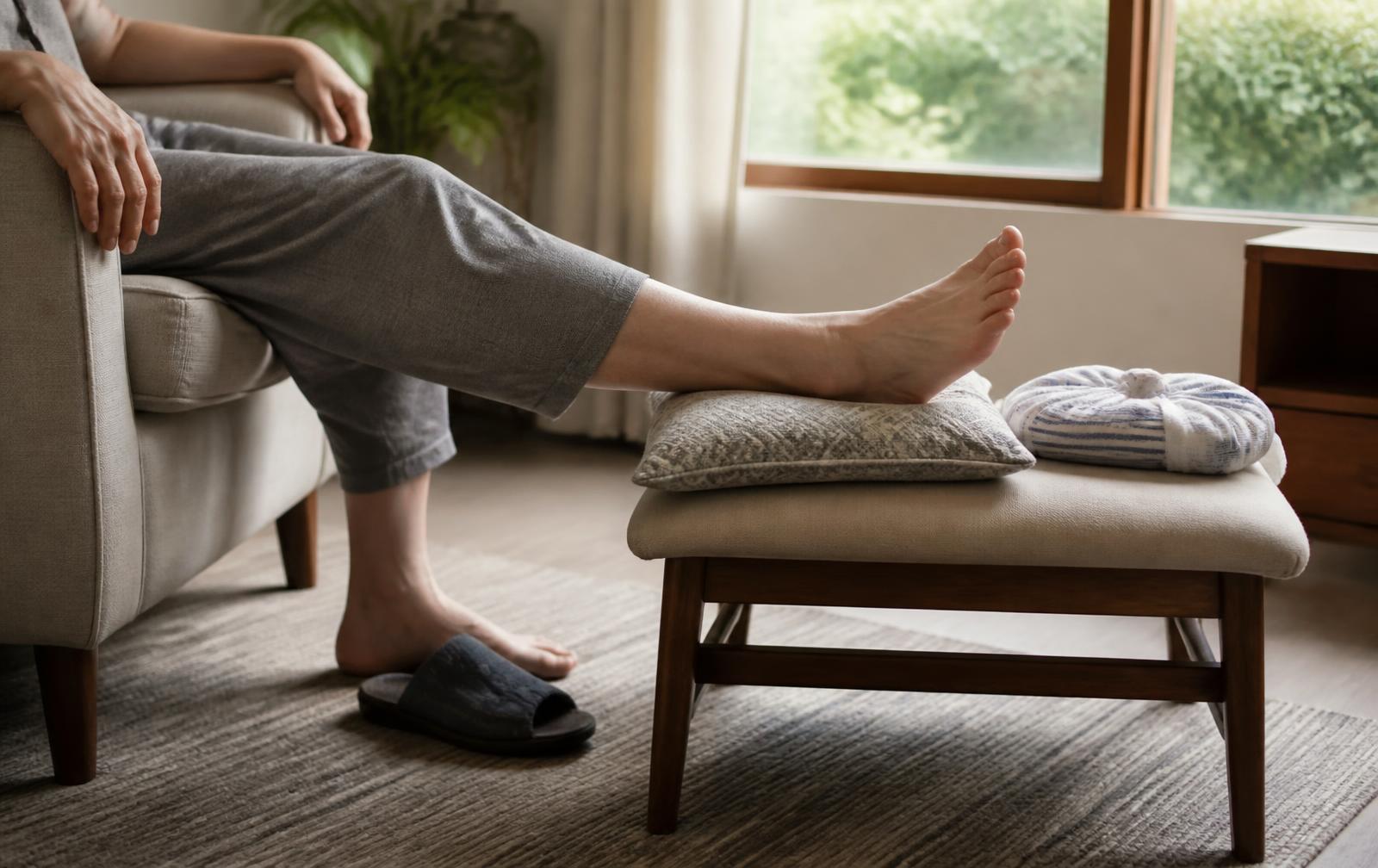
- rest the affected joint
- raise the painful limb when possible
- avoid pressure, knocks and tight footwear
- keep bedding away from the painful joint if contact hurts
- apply a cold pack wrapped in a towel for up to 20 minutes
- let the skin return to its normal temperature before applying cold again
- drink enough water, unless a doctor or other clinician has advised limiting fluids
Please also note:
- Never apply ice directly to the skin.
- Do not use a cold pack for more than 20 minutes at a time.
- People with poor circulation, reduced skin sensation or diabetes should ask a healthcare professional before using cold treatment.
- Seek professional advice if symptoms are getting worse or are not settling as expected.
9. Long-term urate-lowering treatment
Medicine used to settle a painful flare is different from long-term treatment intended to prevent future attacks.
Medicines such as allopurinol or febuxostat are examples that may be prescribed to lower urate levels. Which one, if any, is suitable is a decision for the prescriber.
Long-term treatment gradually dissolves the urate crystals already in the body and can reduce or prevent future attacks. It may need to be taken for life.
- Take prescribed urate-lowering medicine regularly, even when there are no symptoms.
- Do not stop or change it without speaking to the prescriber.
- Starting or changing urate-lowering treatment can sometimes trigger a flare at first. This does not necessarily mean the medicine is failing.
- Blood tests may be needed so the dose can be adjusted safely.
- Please attend monitoring appointments.
NICE describes urate targets that clinicians use to guide and monitor prescribed treatment. They are not instructions for people to self-treat or adjust their own medicine.
10. Medicines and health conditions linked with gout
Gout can be more likely in people who:
- have kidney problems
- have high blood pressure
- have high cholesterol
- have diabetes
- have osteoarthritis
- are overweight
- have been through the menopause
- have a family history of gout
- have had an operation, an injury or a serious illness
Some medicines may raise urate levels, including certain diuretics, sometimes called water tablets.
- Never stop a prescribed medicine because you think it caused gout.
- Ask a GP or pharmacist for a medication review instead.
- Bring an up-to-date list of medicines to appointments.
- Mention kidney disease and every other medicine before receiving treatment for a flare.
Gout is a medical condition, not a personal failing. Nobody should be blamed for developing it.
11. Food, drink and gout
No single food causes every case of gout, and diet alone is not always enough to control urate levels. NICE states that there is not enough evidence to recommend one specific diet for preventing flares or lowering urate.
A healthy, balanced eating pattern is worth aiming for, with professional advice where it is needed.
Things that some people find are linked with attacks, and sensible limits, include:
- large or unusually rich meals
- frequent or heavy alcohol consumption, particularly beer and spirits
- sugary drinks
- large amounts of red meat or offal
- some seafood
- dehydration
- crash dieting or rapid weight loss
It can help to:
- eat regular, balanced meals
- lose weight gradually if that has been recommended
- avoid crash diets
- drink enough water, unless fluid intake has been restricted on medical advice
- have alcohol-free days
- stay within current UK lower-risk alcohol guidance
- ask a GP or dietitian for individual advice
Please do not cut out major food groups or start supplements without professional guidance.
12. Gout in older and disabled people
A gout flare can make standing, walking, dressing, washing, sleeping and preparing food genuinely difficult, sometimes for a couple of weeks.
Practical things that may help:
- keep prescribed medicine within safe reach
- use loose, supportive footwear when it can be tolerated
- arrange help with meals, shopping or collecting prescriptions during a severe flare
- reduce trip hazards if walking is difficult
- use a walking aid only if it has been properly adjusted for the person
- ask a pharmacist about prescription delivery or easier medicine packaging
- request reasonable communication support at appointments
- take a trusted person, or a written record of symptoms, if communication is difficult
If someone suddenly cannot walk safely or care for themselves, please seek both medical advice and practical help rather than trying to manage alone.
13. Foot care, footwear and mobility
- avoid tight shoes that press on the affected joint
- use wide, soft footwear once it can be tolerated
- do not massage a severely inflamed joint
- avoid intense exercise or pressure on the joint during a flare
- return to movement gradually as pain and swelling settle
- ask about podiatry or physiotherapy if pain, footwear or mobility remains difficult
People with diabetes, poor circulation, numbness, broken skin or a foot wound should seek professional foot-care advice rather than treating the problem themselves.
14. Preventing future attacks
- take urate-lowering medication consistently when it has been prescribed
- attend blood tests and reviews
- stay hydrated, unless advised otherwise on medical grounds
- maintain a healthy weight without crash dieting
- limit alcohol
- avoid personal triggers identified over time
- discuss medicines with a clinician if you think one may be contributing
- treat associated health conditions such as blood pressure, diabetes or kidney disease
- keep a simple record of attacks, possible triggers and how treatment worked
Lifestyle changes support treatment. They are not a replacement for prescribed urate-lowering medication when it is needed.
15. Complications of untreated or poorly controlled gout
- more frequent or longer attacks
- lasting joint damage
- chronic gouty arthritis
- reduced mobility
- urate deposits called tophi
- kidney stones
Tophi are firm deposits of urate that may develop around fingers, toes, elbows, ears or other areas after long-term uncontrolled gout.
Please ask for a medical review rather than trying to squeeze, cut or drain any lump. Doing so risks infection and further damage.
Key facts
- Between 2 and 3 in every 100 people in the UK have gout.
- Gout is more common in men than in women.
- It usually occurs in men over 30 and in women after the menopause.
- Almost 25% of people with gout have moderate-to-severe chronic kidney disease, classified as stages 3 to 5.
- Effective long-term treatment can reduce urate levels and help prevent future attacks.
Source: NICE, Gout: diagnosis and management (NG219). These are population-level figures for the UK. They describe groups of people, not any individual reading this page, and they cannot tell anyone whether they have gout or kidney disease.
16. Helping someone communicate with services
Before contacting a GP surgery, pharmacy or other service, it can help to:
- write down when the pain started
- note which joint is affected
- record any temperature, sickness or shivering
- list current medicines and any allergies
- photograph visible swelling or colour changes, if that feels appropriate
- ask for information in writing
- take someone trusted to an appointment
- ask for communication adjustments if they would help
Sixpence Support UK can help draft a letter or email to a GP surgery, pharmacy, employer, housing provider or other service about gout-related support or communication needs. We do not give legal or medical advice.
17. When and where to get help
Ask for an urgent GP appointment or contact your nation's urgent NHS advice service for a suddenly painful, swollen joint when the pain is getting worse, or the person has a high temperature, feels hot, cold or shivery, feels sick, cannot eat, or is seriously unwell. This could be a joint infection, which needs urgent treatment.
Contact a GP for a first suspected gout attack, when the usual treatment is not working, or when attacks keep coming back.
Speak to a GP, pharmacist, rheumatology service, podiatry service or dietitian, as appropriate, for advice on medicine, monitoring, diet, footwear or mobility.
Urgent NHS advice differs across the UK:
- England: contact NHS 111 by phone on 111 or use NHS 111 online.
- Scotland: contact your GP practice, or phone 111 when the practice is closed. NHS inform gives health information but is not an assessment service.
- Wales: contact NHS 111 Wales by phone on 111, or use the NHS 111 Wales website.
- Northern Ireland: contact your GP practice, or the GP out-of-hours service when the practice is closed. Details are on nidirect.
In an emergency, or if someone becomes seriously unwell, call 999.
18. Trusted information
These are official or well-established UK sources. Details can change, so please check each organisation's own website for the latest information.
Trusted organisations and further support
These UK organisations provide information and practical support for people living with gout.
- Versus Arthritis — charity with a helpline, gout information and guidance on exercise, diet and work.
- UK Gout Society — charity providing patient information leaflets on gout and urate-lowering treatment.
- Arthritis Action — charity offering self-management support, including diet and pain management.
Go straight to these organisations
These are separate organisations, not NHS services. Please take telephone numbers and opening hours from their own current pages. Each button opens in a new tab.
These organisations are independent of Sixpence Support UK. Their inclusion is for information and signposting and does not imply a partnership or endorsement.
Please speak to a healthcare professional
Sixpence Support UK does not diagnose gout, provide medical advice or supply treatment. This page explains general information so that people know what to ask about and when to seek help. If a joint is suddenly hot, swollen and increasingly painful, and there is fever, shivering, sickness or the person feels seriously unwell, get urgent medical help.
- [1] NHS. Gout · 2026
- [2] NHS. Colchicine · 2026
- [3] NICE. Gout: diagnosis and management (NG219) · 2022, updated
- [4] NICE. Gout (NG219) — Recommendations · 2022, updated
- [5] NHS inform (Scotland). Gout · 2026
- [6] NHS 111 Wales. Gout · 2026
- [7] NHS 111. Get help for your symptoms (England) · 2026
- [8] nidirect (Northern Ireland). Health services · 2026
- [9] Versus Arthritis. Gout · 2026
- [10] NHS. Calculating alcohol units · 2026