
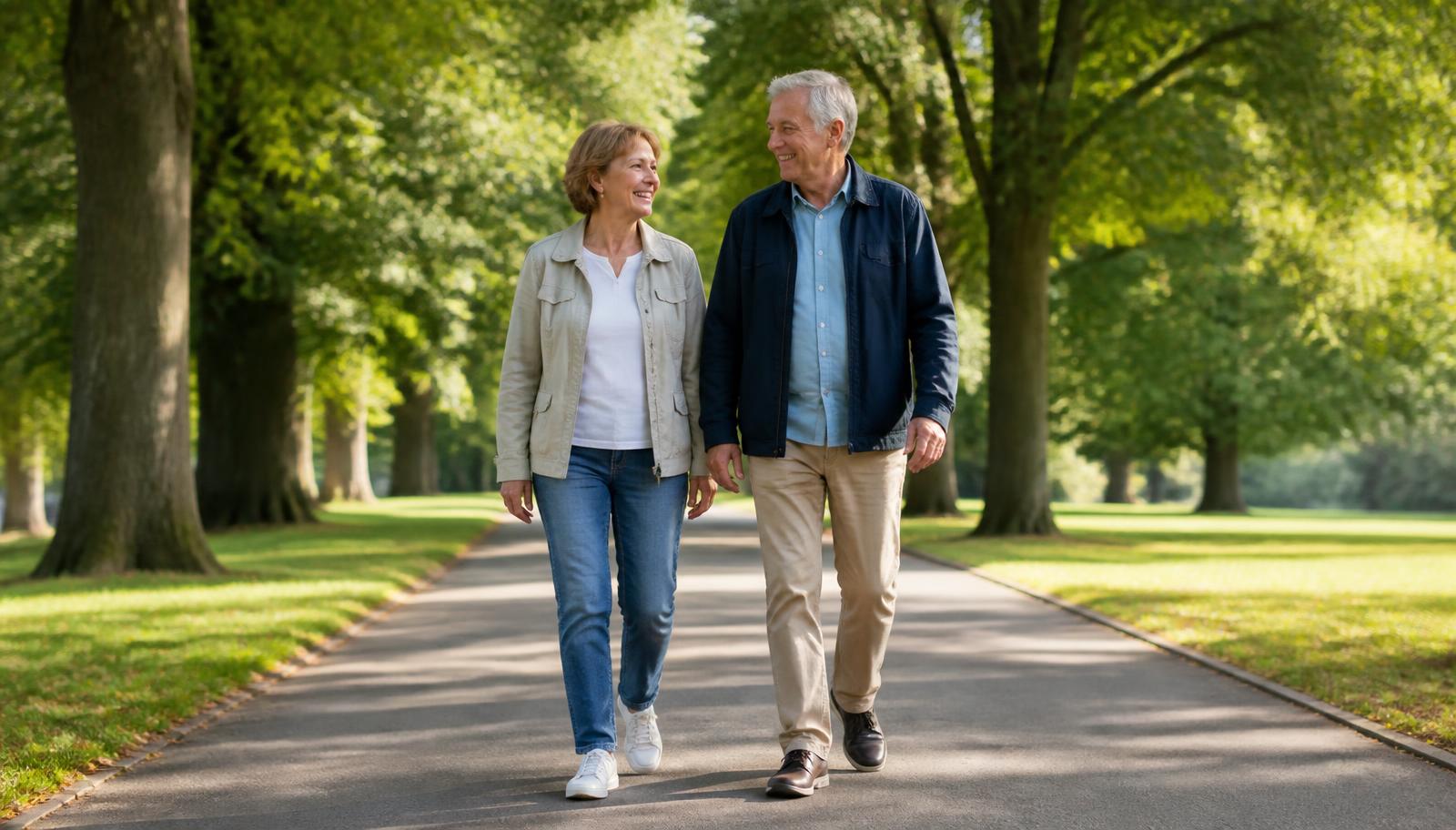
Osteoporosis and Bone Health
Osteoporosis is a condition that weakens bones, making them more fragile and more likely to break. This page explains the warning signs, risk factors, tests, treatments and practical steps that can help protect your bones.
What osteoporosis is
Osteoporosis is a condition that weakens bones, making them more fragile and more likely to break. It develops gradually and often causes no obvious symptoms. For many people, the first sign is a broken bone following a fall or an everyday movement that would not normally cause a fracture.
Osteoporosis can affect anyone, although the risk increases with age and is particularly common after the menopause. The wrists, hips and bones of the spine are among the areas most often affected.
This page explains the warning signs, risk factors, tests, treatments and practical steps that can help protect your bones.
- 3.5 million
people in the UK are estimated to have osteoporosis.
Source: Royal Osteoporosis Society — UK facts and statistics
- More than 500,000
fragility fractures are estimated to happen in the UK every year — approximately one every minute.
Source: Royal Osteoporosis Society — UK facts and statistics
- 1 in 2 women and 1 in 5 men
over the age of 50 will break a bone because of osteoporosis.
Source: Royal Osteoporosis Society — UK facts and statistics
These are UK estimates rather than a count of every diagnosed case. Osteoporosis can remain undetected until a fracture occurs.
Get urgent help after a fall or injury
Call 999 or go to A&E after a fall or injury if:
- a bone is sticking through the skin
- a limb has changed shape or is at an unusual angle
- there is severe bleeding
- the injured area is numb, blue, grey, pale or cold
- there is severe hip pain and the person cannot stand or put weight on the leg
- a head, neck, back or pelvic injury is suspected
- the person is unconscious, has difficulty breathing or appears seriously unwell
Do not move someone unnecessarily if you suspect a neck, back or pelvic injury.
For a suspected fracture that does not appear life-threatening, use NHS 111 online or call 111 for advice.
What osteoporosis can feel like
Osteoporosis itself usually does not cause symptoms before a fracture happens. Bone loss is not something you can feel.
Possible signs or consequences can include:
- breaking a bone after a minor fall or everyday movement
- sudden or persistent back pain caused by a spinal fracture
- becoming shorter over time
- a curved or stooped posture
- reduced movement or independence following a fracture
Ordinary joint or muscle pain does not automatically mean that someone has osteoporosis. A GP can help work out what is causing it.
Osteoporosis, osteopenia and osteoarthritis
- Osteoporosis: bones have lost strength and are more likely to break.
- Osteopenia: bone density is lower than normal but has not reached the level used to diagnose osteoporosis.
- Osteoarthritis: a condition affecting joints. It is not the same as osteoporosis, although a person can have both conditions.
Who may be at greater risk?
- increasing age
- menopause, especially an early menopause
- low levels of oestrogen or testosterone
- a parent who had osteoporosis or a hip fracture
- a previous fracture after a minor fall
- long-term or repeated use of steroid medicines such as prednisolone
- rheumatoid arthritis and certain hormonal or digestive conditions
- low body weight or poor nutrition
- smoking
- regularly drinking more alcohol than recommended
- limited physical activity
- frequent falls
- low calcium or vitamin D levels
- spending very little time outdoors
- some medicines and medical treatments
Having one or more of these risk factors does not mean someone definitely has osteoporosis. It simply means it may be worth discussing bone health with a GP.
When to speak to a GP
It is worth arranging a GP appointment if someone:
- breaks a bone after a minor fall or ordinary movement
- has unexplained loss of height or a new stooped posture
- develops sudden or persistent back pain
- has taken steroid tablets for a prolonged period or regularly needs them
- had an early menopause
- has a strong family history of osteoporosis or hip fracture
- is concerned about several osteoporosis risk factors
- wants advice before starting supplements or a new exercise programme
Assessment and diagnosis
A GP or specialist may:
- discuss fractures, medicines, menopause, family history and other risk factors
- use an approved fracture-risk assessment such as FRAX or QFracture
- arrange blood tests to look for contributing health problems
- consider a DEXA or DXA bone-density scan
- assess falls, balance and mobility when appropriate
A DEXA scan:
- is quick and painless
- uses a low dose of X-rays
- measures bone density, commonly at the hip and spine
- can help diagnose osteoporosis and guide treatment decisions
Results are interpreted alongside a person’s age, medical history and other risk factors. A score from a chart or an online calculator is not a diagnosis on its own, so always discuss the result with a healthcare professional.
Treatment and follow-up
Treatment depends on the person’s age, fracture history, bone density, overall fracture risk and other health conditions. Not everyone needs medication.
Treatment may include:
- medicines that slow bone loss, including bisphosphonates
- other osteoporosis medicines when clinically appropriate
- calcium or vitamin D supplements if needed
- treatment of an underlying medical cause
- strength, balance or physiotherapy support
- falls assessment and practical changes at home
- pain relief and rehabilitation after a fracture
- periodic reviews to check treatment, side effects and fracture risk
Decisions about medicines are made individually with a GP, pharmacist or specialist team who know the person’s full medical history.
Do not stop osteoporosis medicine without advice
Osteoporosis medicines work in different ways and may need to be taken for a particular length of time. Do not stop, delay or change prescribed treatment without speaking to your GP, specialist, pharmacist or osteoporosis team.
Some medicines have precise instructions about when and how they should be taken. Follow the label and the instructions given by your healthcare professional. Report troublesome side effects rather than simply stopping treatment.
If dental treatment is planned, tell the dentist about every medicine you take. Do not delay necessary dental care or stop osteoporosis medicine unless the clinician responsible for your treatment advises you to do so.
Protecting bone health
- take regular weight-bearing activity appropriate to your ability
- include muscle-strengthening exercise
- work on balance to help reduce falls
- eat a balanced diet containing suitable sources of calcium
- get enough vitamin D
- avoid smoking
- keep alcohol within recommended limits
- have eyesight, hearing and medicines reviewed when falls are a concern
- keep floors, stairs and walkways clear and well lit
- wear supportive footwear
- seek individual advice if you already have osteoporosis, previous spinal fractures, severe pain or a high risk of falling
Walking is beneficial, but on its own it may not provide enough muscle-strengthening exercise. Adding activities that work the muscles, such as resistance bands, light weights or stair climbing, can help.
Exercise and diet support bone health, but they do not replace prescribed osteoporosis treatment where treatment is needed.
Vitamin D and calcium
Vitamin D helps the body absorb calcium, and both are important for healthy bones. In the UK, most people should consider taking 10 micrograms of vitamin D each day during autumn and winter. Some people at greater risk of vitamin D deficiency may be advised to take it throughout the year.
Do not take high-dose vitamin D or calcium supplements without checking that they are suitable for you. Excessive vitamin D can be harmful, and supplements can interact with some medicines or be unsuitable for certain health conditions.
Living with osteoporosis
- recovering safely after a fracture, following the advice given by the treating team
- managing pain with professional advice rather than guesswork
- pacing activity without becoming unnecessarily inactive
- asking about physiotherapy or occupational therapy
- reducing falls risks at home, such as loose rugs, trailing cables and poor lighting
- discussing work, driving or daily activities when a fracture affects them
- seeking emotional support if fear of falling is reducing confidence or independence
Many people with osteoporosis continue to live active and independent lives, particularly when treatment, exercise and falls prevention are put in place together.
Trusted osteoporosis information and support
Royal Osteoporosis Society — information about osteoporosis, medicines, exercise, food, fractures and living well with the condition.
- Website: theros.org.uk/information-and-support
- Osteoporosis Helpline: 0300 102 3030 — see helpline opening times.
The helpline is not an emergency service. In an emergency, call 999.
Related Sixpence support
Sources and further information
- NHS — Osteoporosis
- NHS — Osteoporosis treatment
- NHS — Living with osteoporosis
- NHS — Preventing osteoporosis
- NHS — Bone-density scan (DEXA)
- NICE — Osteoporosis: risk assessment (NG259)
- NHS — Vitamin D
This information is for general guidance and does not replace advice, diagnosis or treatment from a qualified healthcare professional. If you are worried about your symptoms, fracture risk or medicines, speak to your GP, pharmacist or specialist.
Trusted organisations and further support
These UK organisations provide information, helplines and peer support on bone health, fractures and falls.
- Royal Osteoporosis Society — charity with a specialist nurse helpline, information and local support groups.
- Versus Arthritis — charity supporting people with musculoskeletal conditions and long-term joint and bone pain.
- Age UK — charity with practical advice on staying steady, falls prevention and home safety in later life.
Go straight to these organisations
These are separate organisations, not NHS services. Please take telephone numbers and opening hours from their own current pages. Each button opens in a new tab.
These organisations are independent of Sixpence Support UK. Their inclusion is for information and signposting and does not imply a partnership or endorsement.
- [1] NHS. Osteoporosis · 2025
- [2] NHS. Osteoporosis — treatment · 2025
- [3] NHS. Osteoporosis — living with · 2025
- [4] NHS. Osteoporosis — prevention · 2025
- [5] NHS. Bone density scan (DEXA scan) · 2025
- [6] NICE. Osteoporosis: risk assessment (NG259) · 2025
- [7] Royal Osteoporosis Society. Information and support · 2025
- [8] Royal Osteoporosis Society. UK facts and statistics (media toolkit) · 2025
- [9] NHS. Vitamin D · 2025
- [10] Royal Osteoporosis Society. Calcium · 2025
- [11] NHS. Find a GP · 2025
- [12] NHS. NHS 111 online · 2025