
Skip Hire and Waste Removal
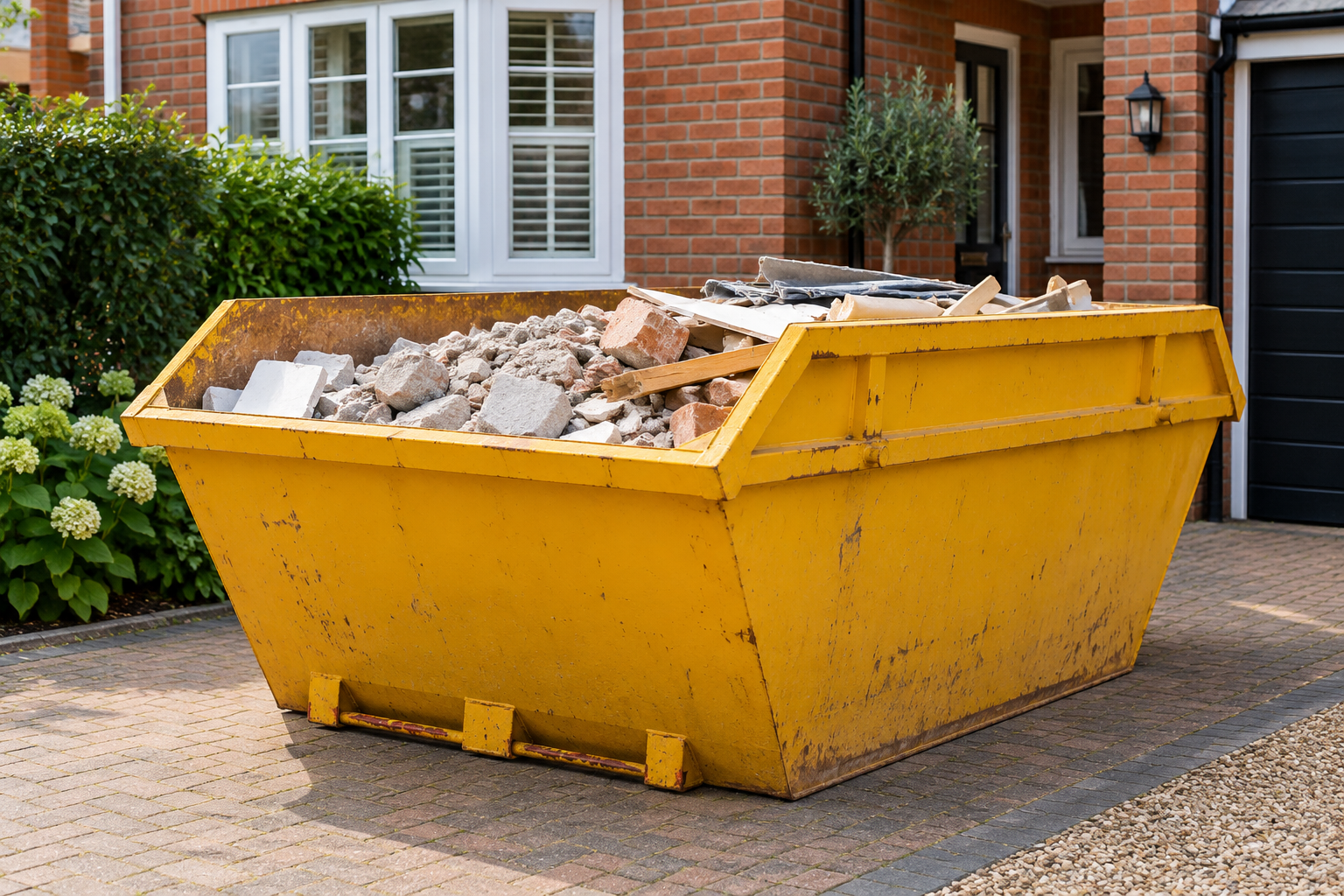
Skip hire and paid waste collection can help with building work, clear-outs and bulky items. Check what will be taken, where it can be placed and where the waste will go before you agree.
Choosing a service
Tell the provider what waste you have, roughly how much, the available space and any access limits. Ask which skip size and weight allowance fit the job, how long the hire lasts and how collection is arranged.
Check whether the vehicle needs room for stabilisers or turning, and whether parked cars, narrow gates, overhead cables or weak surfaces could block delivery. The provider should decide whether access is workable.
Written price and arrangements
Ask for the total written price, including VAT, delivery, collection, the agreed hire period, any excess-weight or extra-day charges, mattress or appliance supplements, and any permit or parking-suspension cost.
Confirm what happens after a failed delivery or collection caused by blocked access. Do not rely on a verbal price.
Checking waste operators
Check the person taking waste against the official register for the relevant nation. England, Wales and Northern Ireland use waste-carrier terminology; Scotland’s current service uses waste transporters and brokers.
Ask for a receipt or waste transfer note showing the business and what was collected. A very low cash-only price or refusal to identify where waste goes is a warning sign.
Restricted and hazardous waste
Ask before adding asbestos, chemicals, paint, oils, batteries, gas cylinders, tyres, plasterboard, soil, electrical items, fridges or other restricted material. Lists and charges vary between companies and waste facilities.
Hazardous waste needs appropriate specialist handling. Never overfill a skip or place items above its marked fill line; ask the operator for safe loading instructions.
Placement and permits
A skip wholly on private land normally does not use the England and Wales public-road permit route, but you still need the landowner, landlord or freeholder’s permission where applicable. Protect access for neighbours, emergency services and mobility aids.
For a road or pavement, rules differ. In England and Wales, the skip company usually applies through the council. In Scotland or Northern Ireland, ask the operator and the relevant local roads authority or DfI Roads what consent is needed. Do not assume one nation’s process applies elsewhere.
Council and reuse alternatives
Before paying for a skip, check your council’s bulky-item collection, household recycling centre rules and local reuse options. Some usable furniture or appliances may be accepted by a reuse organisation, but collection areas and item standards vary.
Do not leave items outside for an unconfirmed collection. You remain responsible for checking that a paid collector is properly registered.
Evidence and complaints
Take photographs before delivery, after loading and after collection, especially if there is concern about driveway, wall or pavement damage. Keep the quote, receipt, operator details, messages and permit information.
Write to the company with the facts, evidence and the outcome you want. Report fly-tipping to the relevant council or official national route. Sixpence Support UK can help you put a complaint into clear words.
Checked sources
Links and scope checked 1 October 2026. External services can change.
- GOV.UK — Dispose of household wasteOfficial starting point linking to waste-register checks across the UK.
- GOV.UK — Apply for a skip permitPublic-road skip permit route for England and Wales.
- GOV.UK — Dispose of hazardous wasteHazardous household waste guidance for England and Wales.
- SEPA — Find Waste Transporters and BrokersCurrent Scottish register terminology and search.
- Natural Resources Wales — Waste carriers public registerPublic register for Wales.
- DAERA — Registered waste carriers and transportersNorthern Ireland register information.
- nidirect — Disposal of bulky itemsNorthern Ireland council bulky-waste information.