
Cooking and Easy Meals
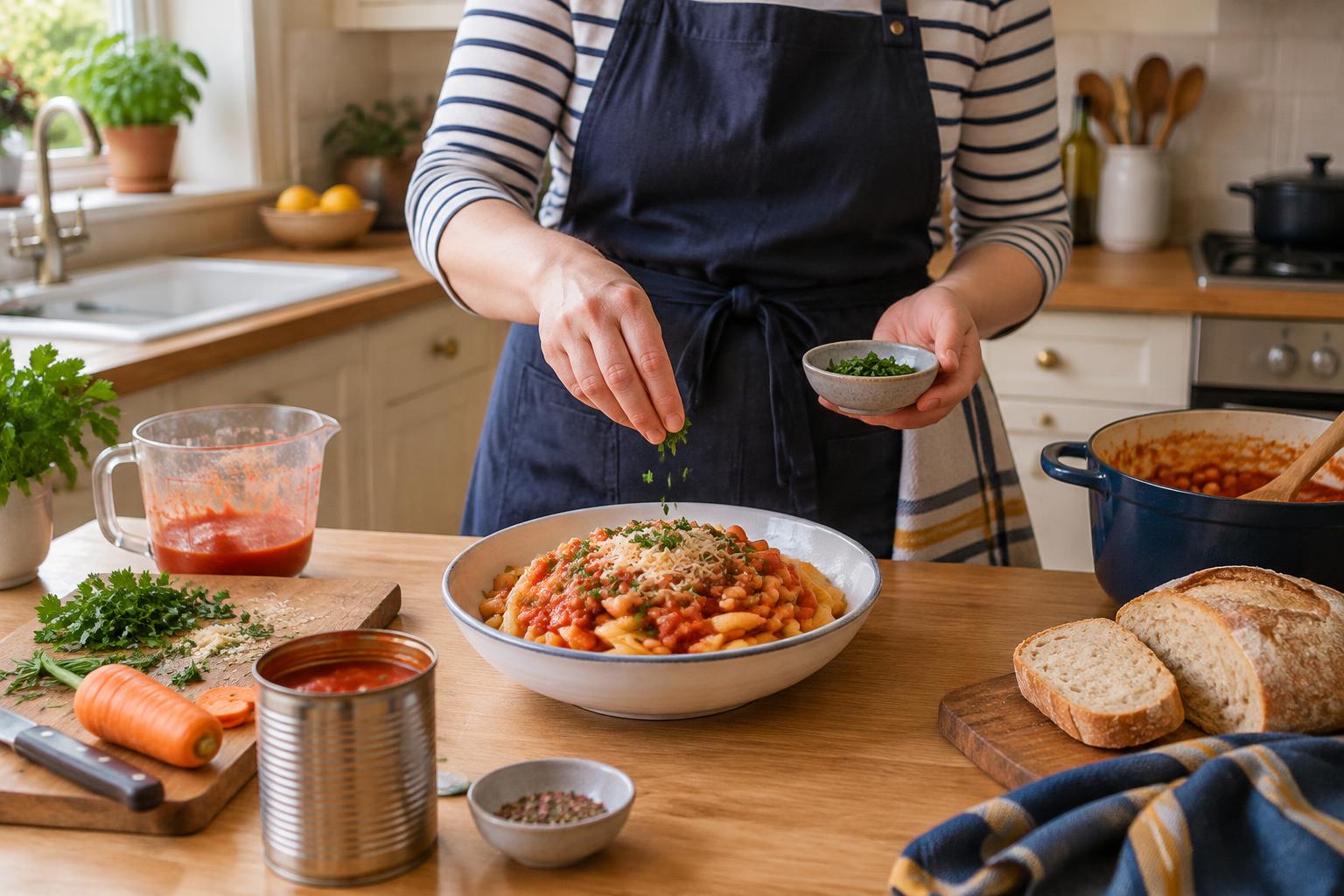
Illustrative image of preparing a simple meal at home.
Cooking does not have to start with a complicated recipe. A few familiar ingredients and clear steps can help you make a meal that fits your budget, energy and kitchen.
This guide brings together beginner recipes, easy meals for one and practical ways to manage on days when cooking is difficult. Browsing Sixpence Support UK is free; we provide information and links, not personalised dietary advice or a meal-delivery service.
Information checked 19 October 2026 against the official sources below. Follow food labels and appliance instructions where they give more specific advice.
1. Getting started
Pick one meal and read all its steps before beginning. Check you have the ingredients, equipment and enough time. Put out what you need, clear a work area and start with a portion you feel able to manage.
- A pan, bowl, spoon, measuring jug and safe way to drain food are enough for several recipes here. You do not need every appliance.
- Measurements use grams (g) and millilitres (ml). Use level measuring spoons where teaspoons or tablespoons are listed; ordinary cutlery spoons vary.
- Check ingredients for allergies and dietary requirements, including sauces, stock, bread and toppings. A swap is not automatically allergen-free.
- Set a timer, keep pan handles away from edges and use dry oven gloves for hot dishes. Stay nearby while cooking.
If you have a prescribed diet, swallowing difficulties or nutritional concerns, ask your GP or dietitian which foods and textures are suitable. These recipes are not a treatment or a promise of health benefits.
2. Five easy beginner meals
These are original practical meal ideas, not recipes copied from the linked organisations. Equipment and ingredients affect cooking time: use packet directions and the checks in each recipe rather than relying on a fixed number of minutes.
Tomato and bean pasta
Makes 1 portion. Adjust the amount to your appetite.
Ingredients
- 75 g dried pasta
- 200 g tinned chopped tomatoes (half a 400 g tin)
- 120 g drained, ready-cooked tinned beans
- 1 teaspoon oil
- A pinch of dried mixed herbs, optional
Equipment: Two saucepans, spoon and colander; use a slotted spoon if draining a pan is difficult.
Steps
- Cook the pasta in water following its packet instructions. Keep handles turned away from the edge.
- Meanwhile, put the tomatoes, oil and herbs in another pan. Bring to a gentle simmer, stirring, until the sauce thickens a little.
- Add the drained beans and heat until steaming hot throughout. Add a little water if the sauce sticks.
- Drain the pasta carefully, stir into the sauce and serve. Store unused opened ingredients as their labels direct.
Options: Use ready-cooked tinned lentils or chickpeas instead of beans. These are tinned pulses, not dried kidney beans, which need different preparation.
Vegetable and lentil soup
Makes 2 portions. Adjust the amount to your appetite.
Ingredients
- 250 g frozen mixed vegetables
- 200 g tinned chopped tomatoes
- 240 g drained, ready-cooked tinned lentils
- 300 ml water or stock made according to its packet
- Bread to serve, optional
Equipment: Saucepan, measuring jug and spoon.
Steps
- Put the vegetables, tomatoes and water or stock in a pan. Bring to the boil, then reduce to a gentle simmer.
- Cook until the vegetables are tender, following any longer cooking instructions on their packaging. Stir and add water if needed.
- Add the lentils and heat until everything is steaming hot. Mash some vegetables with a fork for a thicker soup.
- Serve one portion. If saving the other, follow the cooling and storage guidance below.
Options: Try drained tinned carrots or peas instead of frozen vegetables and heat thoroughly. Check stock and bread labels for allergens.
Scrambled eggs on toast
Makes 1 portion. Adjust the amount to your appetite.
Ingredients
- 2 eggs
- 1 teaspoon oil or butter
- 1–2 slices bread
- 1 tablespoon milk, optional
Equipment: Bowl, fork, small non-stick pan and toaster.
Steps
- Crack the eggs into a bowl and beat with a fork; add milk if using. Wash hands after handling eggs and clean any spills.
- Toast the bread. Warm the oil or butter in the pan over a low to medium heat.
- Add the eggs and stir gently with a suitable spoon until thoroughly cooked, with no runny egg remaining.
- Put on the toast and eat straight away. Take care with the hot pan and toaster.
Options: For an egg-free alternative, heat tinned baked beans following the label. Do not put metal utensils into a toaster.
Microwave potato with beans
Makes 1 portion. Adjust the amount to your appetite.
Ingredients
- 1 medium baking potato, around 200–250 g
- 200 g tinned baked beans
- A little grated cheese, optional
Equipment: Microwave, microwave-safe plate and bowl, fork and oven gloves.
Steps
- Wash the potato and prick it several times with a fork. Put on a microwave-safe plate; do not wrap in foil.
- Use your microwave’s jacket-potato instructions, turning if directed. Time varies with size and power. It is ready when soft in the centre; add short bursts if needed.
- Heat beans in a separate loosely covered microwave-safe bowl following the label. Stir and allow its recommended standing time; check they are steaming hot throughout.
- Use oven gloves to remove the plate. Cut the potato open carefully, keeping hands and face away from steam, and add the beans.
Options: A microwave is an option, not a guarantee of lower running costs. Only use containers suitable for it.
No-cook chickpea wrap
Makes 1 portion. Adjust the amount to your appetite.
Ingredients
- 120 g drained, ready-cooked tinned chickpeas
- 1 wrap or pitta labelled ready to eat
- 50 g cucumber
- 1 tablespoon plain yoghurt or suitable ready-to-eat dressing
Equipment: Bowl, fork and knife; use prepared vegetables if cutting is difficult.
Steps
- Wash your hands and the cucumber. Drain the chickpeas and roughly mash with a fork.
- Mix in yoghurt or dressing. Chop the cucumber and add it.
- Spoon into the wrap or pitta and eat. Keep chilled ingredients refrigerated until needed and follow their use-by dates.
- Store remaining opened ingredients as their labels direct; do not leave the filling sitting out for later.
Options: Choose a milk-free dressing or wheat-free bread if needed, checking all labels. Try ready-cooked tinned beans instead of chickpeas.
3. Cooking for one
Choose single-portion recipes or make two portions and save one safely. Halve ingredients when it is practical, but do not assume cooking time halves: check the food is cooked through.
- Use the same opened ingredients across meals: tomatoes and tinned pulses can become pasta sauce or soup. Follow each label’s opened-storage instructions.
- Take out only the frozen vegetables you need. Freeze bread in portions if suitable, following packaging advice.
- Smaller packs may avoid waste; larger packs are not automatically better value if you cannot store or use them.
- If you have no working fridge or freezer, cook only what you can eat straight away and choose unopened foods that can safely be stored at room temperature.
4. Store-cupboard and low-cost meals
A short shopping list is often easier to manage than ingredients for several unrelated recipes. Compare shelf unit prices where available, check what you already have and plan around food you will actually use. Prices vary; these ideas do not promise a fixed cost per meal.
A flexible cupboard: dried pasta, tinned tomatoes, ready-cooked tinned beans or lentils, baked beans, oil and dried herbs. Bread, eggs, yoghurt and prepared vegetables need their own storage arrangements; frozen vegetables need a working freezer.
- Beans on toast: heat tinned baked beans as directed and serve on toast.
- Tomato lentils: simmer tinned tomatoes, add drained ready-cooked lentils and heat thoroughly; serve with bread or packet-cooked pasta.
- Vegetable soup: combine vegetables, tinned pulses and water or stock using the recipe above.
Check dates and keep tins in suitable storage. Once opened, follow the label and transfer unused contents to a suitable covered container rather than leaving them in the opened tin.
If buying food or paying for cooking fuel is difficult, you deserve practical help, not pressure to cook from scratch.
Food Banks and Emergency Food Help5. Low-energy and no-cook options
Using prepared ingredients or a ready meal is a valid option. “Low-energy” here means less physical effort; it is not a claim about calories or electricity costs.
- No-cook: the chickpea wrap above; ready-to-eat hummus with bread and washed or prepared vegetables; or a sandwich using a filling labelled ready to eat.
- Less preparation: frozen chopped vegetables, tinned pulses, pre-grated cheese or prepared ingredients can reduce peeling and chopping.
- Simple heating: beans on toast, microwave potato or a ready meal cooked exactly as its label directs. “Ready to cook” does not mean “ready to eat”.
- Keep drinks and ingredients within safe reach, take breaks before handling heat and choose a cold meal if you cannot safely use an appliance that day.
Ask someone you trust for help if needed. For delivered groceries or prepared meals, check ordering, dietary needs, storage, cost and postcode coverage directly with the provider.
Delivery Services and Help With Ordering6. Batch cooking without making extra work
Start with one extra portion, not a whole week’s food. Soup and tomato-based sauces can be useful options if you have suitable cooling and storage facilities.
- Check fridge or freezer space before cooking. Put clean, suitable containers ready.
- After cooking, divide spare food into small portions so it cools faster. Do not leave a large pot out for hours.
- Cool and refrigerate within the limits below. Freeze suitable leftovers if you will not use them within 48 hours.
- Label containers with the meal and date; follow any ingredient-specific instructions. Defrost only the portion you need.
- Defrost in the fridge, or use the microwave’s defrost setting immediately before cooking. Use food within 24 hours of fully defrosting, and reheat only once.
Cooked rice has shorter limits. Do not apply the general leftover timetable to rice; see the separate guidance below.
7. Food hygiene, storage and reheating
This summary uses current Food Standards Agency guidance for England, Wales and Northern Ireland, with Food Standards Scotland links for Scotland. Good handling matters throughout; these limits are not a guarantee that mishandled food is safe.
Clean and keep foods separate
Wash hands before preparing food and after touching raw meat or eggs. Clean worktops, utensils and chopping boards. Wash fruit and vegetables with water. Keep raw meat separate from ready-to-eat food and covered on the bottom shelf of the fridge so juices cannot drip onto other food. Do not wash raw chicken: splashes can spread bacteria.
Cook thoroughly
Follow cooking instructions. Food should be steaming hot throughout, not just warm on the outside. A food thermometer can help check the centre: the FSA lists 70°C for 2 minutes as one safe time-and-temperature combination. Check its cooking guide for alternatives. Stir or turn microwave food and follow standing times so it heats evenly.
Chill and use leftovers safely
- Keep your fridge between 0°C and 5°C; a fridge thermometer helps you check.
- Cool cooked food quickly, ideally within 1–2 hours, then refrigerate. Divide into smaller portions; do not put a hot pan straight into the fridge.
- Eat properly cooled, refrigerated leftovers within 48 hours or freeze them. Food Standards Scotland describes this as within two days. Follow any shorter label or food-specific limit.
- Use fully defrosted food within 24 hours. Defrost in the fridge rather than on the worktop.
- Reheat leftovers only once, until steaming hot throughout. Heat only the portion you intend to eat.
Rice needs extra care
Cool cooked rice as quickly as possible, ideally within 1 hour; do not leave it in the pan or rice cooker to cool. Refrigerate and use within 24 hours. Reheat only once and make sure it is steaming hot throughout. Reheating does not make badly stored rice safe. Takeaway rice may already have been reheated: if you do not know how it was handled, do not reheat it again.
Use-by dates are about safety
Do not eat food after its use-by date, even if it smells fine. Best-before dates are about quality, but still check storage directions and signs of spoilage. Follow opened-pack instructions and discard food if you cannot establish that it was stored safely.
8. Accessible kitchen options
The right arrangement depends on your reach, grip, vision, balance and fatigue. A gadget is not automatically suitable for everyone. These are options to discuss or try safely, not product endorsements.
- Prepare food sitting down at a stable, suitable-height surface if that works for you. Keep frequently used items within reach without stretching over heat.
- Consider a non-slip mat, easy-grip utensils, a suitable tin opener or pre-cut ingredients. Check equipment instructions and stability.
- Use small amounts of water and lighter cookware where practical. A suitable draining aid or slotted spoon may avoid lifting a heavy pan of boiling water.
- Large-print instructions, a clearly marked measuring jug, good lighting and audible or visual timers may help. Use the format that suits you.
- Plan breaks and ask for help with hot pans, knives or draining. Do not attempt a task that feels unsafe.
An occupational therapist can help assess everyday tasks and discuss adaptations. Ask your GP or local care service about access; equipment and funding arrangements vary.
9. Trusted recipes and related support
Use these external resources for more recipes and cooking ideas. Check equipment, portion sizes, allergens and storage instructions for the recipe you choose. They are independent organisations, not endorsements or affiliate links.
Good Food’s collection includes some app-only or subscription recipes; check access before choosing one. The NHS collection is general information, not a personalised meal plan.