
COPD and Emphysema: Symptoms, Treatment and Support
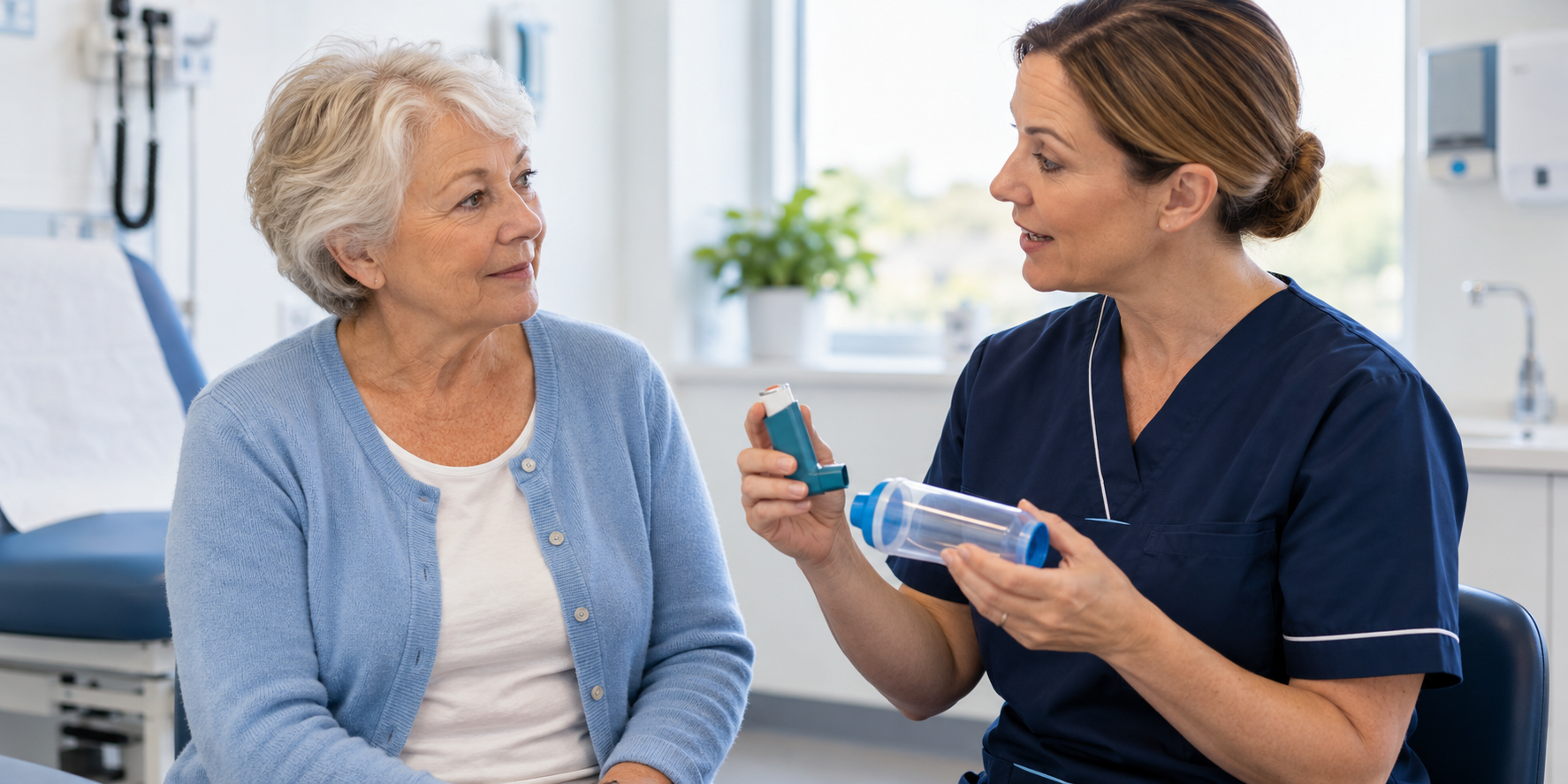
Living with COPD or emphysema can make everyday activities harder. This page explains symptoms, tests, treatment and where to find reliable UK support. Sixpence Support UK information is free, with no hidden costs.
Severe breathing difficulty — call 999
Call 999 for severe breathing difficulty, gasping or inability to speak; a tight or heavy chest; pain spreading to the arms, back, neck or jaw; very pale, blue or grey lips or skin; or sudden confusion. Do not drive yourself to A&E.
Urgent help in England, Scotland, Wales and Northern Ireland ↓NHS: Breathlessness and urgent warning signsNHS.uk information is published for England. This guide also links official urgent-care information for Scotland, Wales and Northern Ireland. Follow your own healthcare team’s advice wherever you live.
1. What are COPD and emphysema?
COPD means chronic obstructive pulmonary disease: long-term lung conditions that make breathing harder. Emphysema involves damage to the tiny air sacs in the lungs. Chronic bronchitis involves ongoing inflammation of the airways. These can occur together. Existing lung damage cannot be reversed, but treatment can ease symptoms and help slow further deterioration.
7. Flare-ups and a personal plan
A flare-up means symptoms become worse than usual. Ask your team for a written plan covering warning signs, who to contact and any prescribed rescue medicines. Take rescue medication only as directed in your own plan. Seek prompt medical advice for worsening breathlessness or suspected infection. Do not wait for routine appointments if symptoms are worsening.
8. Urgent help
Call 999 for severe breathing difficulty, gasping or inability to speak; a tight or heavy chest; pain spreading to the arms, back, neck or jaw; very pale, blue or grey lips or skin; or sudden confusion. Do not drive yourself to A&E.
For breathing that is worse than usual without those emergency signs, seek urgent help.
- England: Call 111.
- Scotland: Call 111.
- Wales: Call 111.
- Northern Ireland: Contact your GP or GP out-of-hours service.
Coughing up blood also needs urgent medical advice. Call 999 in an emergency anywhere in the UK.
NHS: Breathlessness and urgent warning signs10. Practical and emotional support
If symptoms affect daily living or caring responsibilities, ask about support and explore our existing Disability Support, Benefits and Pensions, Carers and Mental Health pages. Asthma + Lung UK offers information and support for people affected by lung conditions.
- Disability Support and Advice →
- Benefits and Pensions →
- Carers and Caring for Someone →
- Mental Health Support and Getting Help →