
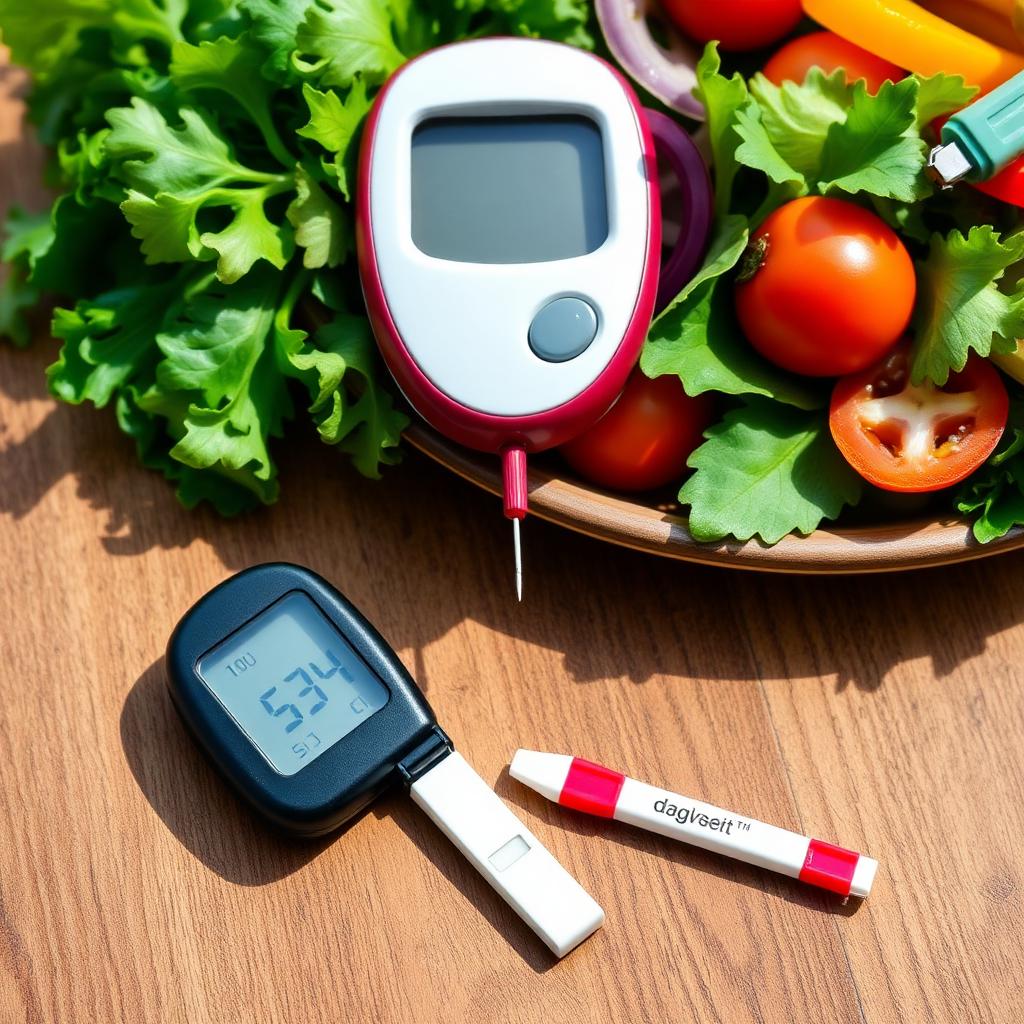
Diabetes: Types, Symptoms, Treatment and Staying Well
Diabetes means the level of glucose (sugar) in the blood is too high. Type 1, type 2 and gestational diabetes are different conditions and are treated differently. This page explains the symptoms, the emergencies to watch for, how diabetes is diagnosed and treated, and what helps day to day.
What this page covers
Diabetes is a condition in which the amount of glucose in the blood becomes too high. There is more than one kind. Type 1, type 2 and gestational diabetes (diabetes in pregnancy) have different causes and are managed in different ways.[1]NHS — Diabetes
This page is general information only. It cannot diagnose diabetes, set anyone’s targets, or tell anyone what dose of insulin or medicine to take. It does not replace your diabetes team, your GP or your own care plan. Please do not stop or change any prescribed treatment because of something you have read online.
Urgent: possible diabetic emergency
Call 999 or go to A&E immediately if someone:
- is unconscious, having a seizure (fit), or is not responding normally and a severe hypo (very low blood glucose) is suspected[6]NHS — low blood sugar
- has serious signs of diabetic ketoacidosis (DKA): being very thirsty and passing urine far more than usual, feeling or being sick, stomach pain, deep or fast breathing, breath that smells fruity or like pear drops, severe tiredness, drowsiness or confusion[8]NHS — diabetic ketoacidosis
- has those DKA symptoms but has never been diagnosed with diabetes
- has a ketone result that their own diabetes plan, or current NHS advice, says is an emergency[8]NHS — DKA
While you wait for help:
- Do not give food or drink to someone who is unconscious or cannot swallow safely.
- Put them in the recovery position if they are unconscious but breathing.
- Use glucagon only if it has been prescribed, is available, and someone present knows how to give it.
- Do not drive yourself to A&E.
We do not publish universal insulin doses. Always follow the individual plan given by the person’s diabetes team, and tell the ambulance crew or hospital staff about it.
Key points
- The main types are type 1, type 2 and gestational diabetes. They are different conditions with different treatment.
- Common symptoms include passing urine more often, being very thirsty, tiredness, losing weight without trying and blurred vision.
- Possible type 1 diabetes needs urgent, same-day medical assessment — it can develop very quickly, especially in children and young people.
- Hypos (blood glucose below 4 mmol/L) usually affect people taking insulin or certain glucose-lowering medicines, not everyone with diabetes.
- Regular checks — HbA1c, eyes, feet, kidneys, blood pressure — reduce the risk of complications.
- Never stop insulin because of illness unless a specialist diabetes professional has given you different individual instructions.
What diabetes is
Glucose is the main sugar in the blood and the body’s everyday fuel. It comes mostly from food and drink. A hormone called insulin, made by the pancreas, lets glucose move out of the blood and into cells. If there is not enough insulin, or the body cannot use it properly, glucose stays in the blood and the level rises.[1]NHS
- Type 1 diabetes — the immune system attacks the cells in the pancreas that make insulin, so the body makes little or none. It is not caused by diet, weight or lifestyle, and nothing anyone did or ate caused it. It is treated with insulin for life.[2]NHS — type 1
- Type 2 diabetes — the body does not make enough insulin, or the insulin does not work as well as it should. Many things affect the risk, including age, family history, ethnic background and weight. It is a medical condition, not a personal failing.[4]NHS — type 2
- Gestational diabetes — high blood glucose that develops during pregnancy in someone who did not have diabetes before. It usually goes away after birth, but needs specialist monitoring and raises the chance of type 2 diabetes later.[9]NHS — gestational diabetes
- Prediabetes (non-diabetic hyperglycaemia) — blood glucose is higher than usual but not high enough to be called diabetes. It is a warning sign, and support is available to reduce the chance of developing type 2 diabetes.[4]NHS
- Less common forms — these include diabetes caused by other conditions or medicines, and rarer inherited types. Only the healthcare team can work out which type someone has, and sometimes the type is reviewed again later.[11]NICE NG17
Symptoms and getting tested
Common symptoms of diabetes include:
- passing urine more often, especially at night
- feeling very thirsty
- feeling very tired
- losing weight without trying
- blurred vision
- cuts and wounds healing slowly
- repeated infections, or thrush that keeps coming back
[1]NHS — diabetes[4]NHS — type 2
The 4 Ts — possible type 1 diabetes
Get medical help the same day if a child, young person or adult is:
- Toilet — going to the toilet a lot, bedwetting again after being dry, or heavy nappies
- Thirsty — drinking far more than usual and not able to quench it
- Tired — unusually tired, sleepy or lacking energy
- Thinner — losing weight, or looking thinner than before
Type 1 symptoms can appear over days or weeks and can become dangerous quickly. Contact your GP surgery urgently, or use NHS 111 if the surgery is closed. Call 999 if there are signs of DKA such as sickness, stomach pain, deep breathing, fruity-smelling breath, drowsiness or confusion.[3]NHS — type 1 symptoms[8]NHS — DKA
Type 2 diabetes often develops slowly, and some people have no obvious symptoms at all. It is frequently picked up through a blood test done for another reason or at a health check.[4]NHS
Blood tests used include HbA1c, which reflects average blood glucose over the previous two to three months, and blood-glucose tests taken while fasting or at a random time. A diagnosis is made by a healthcare professional who looks at the results together with your symptoms and history — please do not try to diagnose yourself from a single number, including a reading from a home monitor or a smartwatch.[1]NHS
Hypoglycaemia — a hypo
Severe hypo — when to call 999
Call 999 if someone with diabetes:
- becomes unconscious or cannot be roused
- has a seizure or fit that lasts more than 5 minutes
- is too confused or drowsy to swallow safely
- has had a glucagon injection but is not improving within 10 minutes
Do not put food or drink into the mouth of someone who cannot swallow safely. Put them in the recovery position if they are unconscious but breathing. Give a glucagon injection only if one has been prescribed and you know how to use it.[6]NHS — low blood sugar
A hypo means blood glucose has fallen too low — usually below 4 mmol/L. It mainly affects people who take insulin or certain glucose-lowering medicines such as sulfonylureas. Signs can include shaking or trembling, sweating, feeling hungry, dizziness, tingling lips, a fast or pounding heartbeat, blurred vision, feeling irritable or tearful, and difficulty concentrating or confusion.[6]NHS — low blood sugar
If the person is awake and can swallow safely
- Have something sugary straight away — the NHS gives examples such as a small glass of fruit juice or a sugary (non-diet) fizzy drink, five glucose or dextrose tablets, four or five jelly babies, or one to two tubes of glucose gel.
- Rest for about 10 minutes, then check blood glucose again if you have a meter.
- If it is still below 4 mmol/L, repeat the sugary treatment and check again after 10 minutes.
- Once you feel better and the reading is above 4 mmol/L, have some longer-acting carbohydrate — for example a slice of toast, a sandwich, a few biscuits or a glass of milk — or your next meal if it is due.
Follow the NHS guidance and any personal plan from your diabetes team, which may differ.[6]NHS — low blood sugar (hypoglycaemia)
Contact your diabetes team or GP if you are having hypos that are:
- frequent, or happening at similar times each day
- happening overnight, or waking you from sleep
- severe, or needing someone else’s help
- not being felt in advance any more (sometimes called loss of hypo awareness) — this needs review and can also affect driving
Hypos are treatable and adjustable. Your treatment can usually be changed so they happen less often, so it is always worth raising.
Hyperglycaemia, DKA and HHS
Hyperglycaemia means blood glucose is too high. Symptoms can include feeling very thirsty, passing urine often, tiredness, blurred vision, headaches and stomach pain. Occasional high readings are common; readings that stay high, or that do not respond to your usual plan, need advice.[7]NHS — high blood sugar
Diabetic ketoacidosis (DKA) happens when the body has too little insulin, cannot use glucose for energy and breaks down fat instead, producing acids called ketones. It is most common in type 1 diabetes, can be the first sign of undiagnosed type 1, and can also affect people with type 2 diabetes. DKA is a medical emergency and is treated in hospital.[8]NHS — diabetic ketoacidosis
Who to contact, and when
- Contact your diabetes team urgently if readings stay above the level agreed in your plan, if ketones are raised but you are not seriously unwell, or if you are unsure what to do about your medicines.
- Use NHS 111 if you are unwell and cannot reach your diabetes team or GP, or it is out of hours and it is not an emergency.
- Call 999 or go to A&E for DKA symptoms — being sick, stomach pain, deep or fast breathing, fruity-smelling breath, severe drowsiness or confusion — or if a ketone result meets the emergency level in NHS advice or your own plan.[8]NHS — DKA
NHS advice for people who test for ketones is to seek urgent medical help if the blood ketone reading is high, and it gives the levels on its DKA page. Individual targets can differ, so always follow the figures written in your own diabetes plan and check the NHS page for the current levels.[8]NHS — DKA
Hyperosmolar hyperglycaemic state (HHS) is another serious emergency, seen mainly in people with type 2 diabetes. Very high blood glucose develops with severe dehydration, and the person may become extremely thirsty, weak, drowsy or confused over several days. It cannot be diagnosed or treated at home — call 999 or go to A&E.[7]NHS — high blood sugar
How diabetes is diagnosed
Diagnosis is made by a healthcare professional using your symptoms and history alongside blood tests. Different tests are used for different situations.[1]NHS[13]NICE NG28
Symptoms and medical history
A clinician will ask about thirst, passing urine, weight change, tiredness, infections and vision, plus family history, ethnic background, other conditions and current medicines. This shapes which tests are done and how quickly.
HbA1c blood test
HbA1c gives an average picture of blood glucose over roughly the previous two to three months. It is widely used to diagnose type 2 diabetes and to monitor treatment afterwards. It is not suitable for everyone — for example during pregnancy, in some blood conditions, or when symptoms have come on very quickly.
Fasting or random blood-glucose testing
A fasting test is taken after not eating for a set period; a random test can be taken at any time. These may be used alongside or instead of HbA1c, particularly when someone is unwell or symptoms have appeared rapidly.
Urine and ketone testing
Urine may be checked for glucose, ketones and protein. Ketone testing — by blood or urine — helps show whether the body is short of insulin, and is used both at diagnosis and later during illness.
Tests used when the type of diabetes is uncertain
If it is not clear whether someone has type 1, type 2 or a rarer form, further tests may be arranged, such as antibody tests or C-peptide testing, sometimes after referral to a specialist. Getting the type right matters because treatment differs.[11]NICE NG17
Treatment in plain English
Type 1 diabetes
- Insulin is essential. The body cannot make it, so it must be replaced — by injections or a pump — for life. Insulin is never optional in type 1 diabetes.[2]NHS — type 1
- Monitoring. Blood-glucose meters use a finger-prick sample. Many people now use continuous glucose monitoring (CGM) — a small sensor worn on the skin that sends readings to a reader or phone.
- Insulin pumps deliver insulin continuously through a small tube or patch instead of separate injections.
- Hybrid closed-loop systems link a CGM sensor with a pump and an algorithm that automatically adjusts background insulin. Doses at mealtimes are still usually entered by the person. Availability follows NHS eligibility criteria and specialist assessment.[11]NICE NG17
- Structured education — courses that teach carbohydrate counting and dose adjustment are part of standard NHS care. Ask your team if you have not been offered one.
Type 2 diabetes
- Healthy living support — food, activity, sleep, stopping smoking and weight support where relevant — is part of treatment for everyone, alongside medicines where needed.
- Medicines are chosen individually. The choice depends on your heart and kidney health, weight, risk of hypos, other conditions, other medicines and your own preferences — which is why two people can be prescribed completely different treatment.[13]NICE NG28 (updated 18 February 2026)
- Monitoring is usually by HbA1c. Home blood-glucose testing is not needed by everyone with type 2 diabetes, but is advised for some people, including those on insulin or sulfonylureas, and for driving.
- Insulin may be needed by some people with type 2 diabetes, either temporarily or long term.
The broad roles of commonly used medicines are set out below. This is background information to help you have a conversation with your clinician — it is not a recommendation, and we do not suggest any particular medicine or dose.[5]NHS — understanding diabetes medicine
Metformin
Usually the first medicine offered for type 2 diabetes. It reduces the amount of glucose released by the liver and helps the body respond to insulin. It does not usually cause hypos on its own.
SGLT-2 inhibitors
These help the kidneys remove glucose in the urine. Some are also used to protect the heart and kidneys in certain people. They have specific risks that a clinician must discuss, including sick-day advice.
DPP-4 inhibitors
Tablets that help the body make more insulin when blood glucose rises after eating.
Sulfonylureas
These make the pancreas release more insulin. They work quickly but can cause hypos, which is relevant to driving and to sick-day planning.
GLP-1 medicines and tirzepatide
Injected (and in some cases oral) medicines that help control blood glucose and can also lead to weight loss. Eligibility, monitoring and side effects vary, and they are prescribed against defined NHS criteria after assessment.
Insulin in type 2 diabetes
Insulin may be added when other treatment is not enough, during illness, around surgery, or in pregnancy. It requires training in injecting, monitoring and hypo treatment.
Medicine safety
Never buy prescription diabetes or weight-loss medicines from unregulated sellers, including social-media accounts, beauty clinics without proper prescribing, or overseas websites. Counterfeit pens have caused serious harm, including hospital admissions with severe hypoglycaemia.
Do not stop, reduce or change any diabetes medicine — especially insulin — without professional advice. If cost, side effects or supply problems are making treatment difficult, contact your GP, pharmacist or diabetes team so a safe alternative can be arranged.
When you are unwell — sick-day guidance
Illness can push blood glucose up, even if you are eating less, and sometimes down. Vomiting, diarrhoea and fever also cause dehydration, which increases risk.[8]NHS — DKA
- Follow the individual sick-day rules your diabetes team has given you. These are personal, and we cannot publish a universal version.
- Check blood glucose, and ketones, as often as your plan tells you to.
- Keep drinking fluids to reduce dehydration, unless you have been told to limit fluids for another medical reason.
- Never stop insulin just because you are not eating. You may still need it, and stopping can lead to DKA. Only a specialist diabetes professional can give different individual instructions.
- Some non-insulin medicines may need to be paused during certain illnesses — for example dehydrating illnesses. Do this only if your own sick-day advice or a healthcare professional tells you to.
Contact your diabetes team, urgent GP service or NHS 111 if you have repeated vomiting, diarrhoea, a fever, signs of dehydration, glucose readings that are not responding to your plan, or if you are unsure what to do about your medicines.
Call 999 or go to A&E for DKA symptoms, severe confusion, unconsciousness or any other serious deterioration.
Regular diabetes checks
People with diabetes are offered a range of checks. Depending on your care plan these may include:
- HbA1c blood test
- blood pressure
- cholesterol and other blood fats
- kidney checks — a blood test and a urine test for protein
- weight, where this is relevant and wanted
- a foot check looking at circulation, sensation and skin
- diabetic eye screening — a separate NHS screening programme with its own invitations[10]NHS — diabetic eye screening
- a review of your medicines
- support to stop smoking, if you smoke
- a conversation about emotional wellbeing
- vaccinations where you are eligible, such as the flu vaccine[16]NHS — flu vaccine
How often each check happens varies. It depends on your type of diabetes, your age, whether you are pregnant, your previous results and your individual needs — so not every check is automatically once a year. If you are unsure when yours are due, ask your GP surgery or diabetes team.[4]NHS[13]NICE NG28
Foot care
Diabetes can reduce feeling in the feet and affect circulation. That means an injury can go unnoticed and heal slowly, so small problems can become serious.[4]NHS
- Look at your feet every day, including the soles and between the toes — use a mirror or ask someone.
- Wash and dry your feet carefully, and moisturise dry skin but not between the toes.
- Wear shoes that fit properly and check inside them before putting them on.
- Do not walk barefoot outdoors, and take care with hot water, hot-water bottles and heaters.
- Ask about podiatry rather than using corn plasters or sharp tools on your own feet.
Get a foot problem checked urgently
Contact your GP surgery, podiatry service or diabetes foot service the same day if you notice:
- a new wound, blister, ulcer or break in the skin that is not healing
- a change in colour, swelling, heat, or redness spreading up the foot or leg
- discharge, pus or an unpleasant smell
- severe pain, or new numbness
- a foot that is cold, pale or blue
Use NHS 111 if the surgery is closed, and 999 or A&E if you are also unwell with a fever, feel very unwell, or the foot is suddenly cold, painful and pale. Do not try to treat an infected diabetic foot yourself — this needs professional assessment quickly.
Food, activity, weight and alcohol
- There is no single “diabetic diet”. You do not need special diabetic products. Regular, balanced meals that suit your culture, budget and routine work better than rules you cannot keep.
- An individual plan helps. Ask about a referral to a dietitian or a structured education course rather than following diets found online.
- Carbohydrate counting. People using insulin are often taught to match doses to the carbohydrate in a meal. This is taught properly by your team.
- Activity is good for blood glucose, mood, blood pressure and sleep. It can lower glucose during exercise and for hours afterwards, so if you use insulin or a sulfonylurea, ask your team how to plan for it and carry hypo treatment.
- Alcohol can cause delayed hypos, sometimes many hours later or overnight. Eat with alcohol, be careful of the amount, and tell people you are with what to do if you have a hypo.[6]NHS — low blood sugar
- Remission of type 2 diabetes is possible for some people, usually through significant weight loss with professional support. Remission is not a cure: blood glucose can rise again, and regular checks should continue.[4]NHS
Living with diabetes is demanding, and nobody manages it perfectly. Blame and crash diets do not help — small, sustainable changes and honest conversations with your team do.
Children, teenagers and education
- Act urgently on the 4 Ts. Toilet, thirsty, tired, thinner — a child with these symptoms needs same-day medical assessment.[3]NHS
- A paediatric diabetes team looks after children and young people, covering insulin, monitoring technology, education, growth and emotional support.[12]NICE NG18
- An individual healthcare plan should be agreed with the school or college, setting out treatment, hypo response, emergency contacts and who is trained.
- Safe access matters — to glucose monitoring, insulin, hypo treatment, food, drink and the toilet, without needing to ask permission each time or being made to feel awkward.
- Exams, trips and sport should be planned in advance: access arrangements for exams, extra supplies for trips, and hypo treatment on the sports field.
- Transition to adult services usually happens in the late teens and should be planned and gradual, not sudden.
- Emotional wellbeing counts. Young people can feel different, watched or fed up with diabetes. Support is available, and no one should be shamed for readings.
This is health information written for families and young people to use together.
Pregnancy and planning a pregnancy
Diabetes before or during pregnancy needs specialist care from a joint diabetes and maternity team. With good support, most pregnancies go well.[14]NICE NG3
- If you have diabetes and are thinking about a baby, contact your diabetes team before trying to conceive, so care, medicines and monitoring can be reviewed.
- If you find out you are pregnant, tell your diabetes team and GP promptly.
- Gestational diabetes is monitored during pregnancy and usually reviewed again after birth.[9]NHS — gestational diabetes
We do not publish pregnancy glucose targets, medicine changes or supplement doses — these must come from your own team.
Driving and work
Whether you must tell the DVLA about diabetes depends on your treatment, whether you have hypos, and the type of licence you hold. The rules are detailed and change, so please check the official GOV.UK service rather than relying on a summary.[15]GOV.UK — diabetes and driving
- Never drive during a hypo, or until you have fully recovered and waited the period required by DVLA rules.
- Follow the current DVLA requirements on checking glucose before and during journeys if you take insulin or medicines that can cause hypos, and keep hypo treatment within reach in the vehicle.
- Tell the DVLA about severe hypos or loss of hypo awareness as the rules require.
- At work, reasonable adjustments may apply — for example breaks to test or eat, somewhere to store insulin, or adjustments to shifts. Diabetes does not automatically stop anyone working or driving.
Emotional wellbeing and support
Diabetes asks for decisions every single day, and that is tiring. Many people experience diabetes distress, burnout, low mood, anxiety about complications, or a strong fear of hypos that leads to running glucose higher than planned. These are common, understandable, and worth talking about.
- Tell your diabetes team or GP how you are coping — it is a normal part of a review, not a complaint.
- Ask what psychological support is available through your diabetes service.
- NHS talking therapies and mental health support can be accessed through your GP or self-referral.
- Diabetes UK is a national diabetes charity, not an NHS service. It runs a helpline and online support — please check the current phone number and opening hours on its official website before calling.[18]Diabetes UK
Practical steps
- Know which type of diabetes you or the person you care for has, and the current treatment.
- Keep an up-to-date list of medicines, including doses, and take it to appointments and hospital.
- Carry hypo treatment if you take insulin or a medicine that can cause hypos.
- Know your personal sick-day rules and your emergency plan before you need them.
- Attend your reviews, eye screening appointments and foot checks.
- Ask for an interpreter, easy-read information or large print if that would help.
- Contact your care team when readings or symptoms repeatedly fall outside your plan — do not wait for the next routine appointment.
Useful official services
In a life-threatening emergency, always call 999.
Other pages that may help
Please speak to a healthcare professional
Sixpence Support UK provides general information only. We cannot examine anyone, give a diagnosis, or recommend medicines or doses, and this page is not a substitute for advice from a qualified healthcare professional. Please do not stop prescribed treatment on the basis of information found online. If symptoms are severe, worsening or worrying you, contact your diabetes team, GP, pharmacist or NHS 111 — and call 999 in an emergency.
Trusted organisations and further support
Independent UK organisations for diabetes
These are separate organisations, not NHS services. Please take telephone numbers and opening hours from their own current pages. Each button opens the organisation’s official website in a new tab.
These organisations are independent of Sixpence Support UK. Their inclusion is for information and signposting and does not imply a partnership or endorsement.
- [1] NHS. Diabetes · 2026
- [2] NHS. Type 1 diabetes · 2026
- [3] NHS. Type 1 diabetes — symptoms and getting diagnosed · 2026
- [4] NHS. Type 2 diabetes · 2026
- [5] NHS. Type 2 diabetes — understanding medicine · 2026
- [6] NHS. Low blood sugar (hypoglycaemia) · 2026
- [7] NHS. High blood sugar (hyperglycaemia) · 2026
- [8] NHS. Diabetic ketoacidosis · 2026
- [9] NHS. Gestational diabetes · 2026
- [10] NHS. Diabetic eye screening · 2026
- [11] NICE. Type 1 diabetes in adults: diagnosis and management (NG17) · 2022
- [12] NICE. Diabetes (type 1 and type 2) in children and young people (NG18) · 2023
- [13] NICE. Type 2 diabetes in adults: management (NG28) — last updated 18 February 2026 · 2026
- [14] NICE. Diabetes in pregnancy: management from preconception to the postnatal period (NG3) · 2020
- [15] GOV.UK / DVLA. Diabetes and driving · 2026
- [16] NHS. Flu vaccine · 2026
- [17] NHS 111. Get help for your symptoms (England) · 2026
- [18] Diabetes UK. Diabetes UK — support and helpline · 2026