
Stalking and Harassment
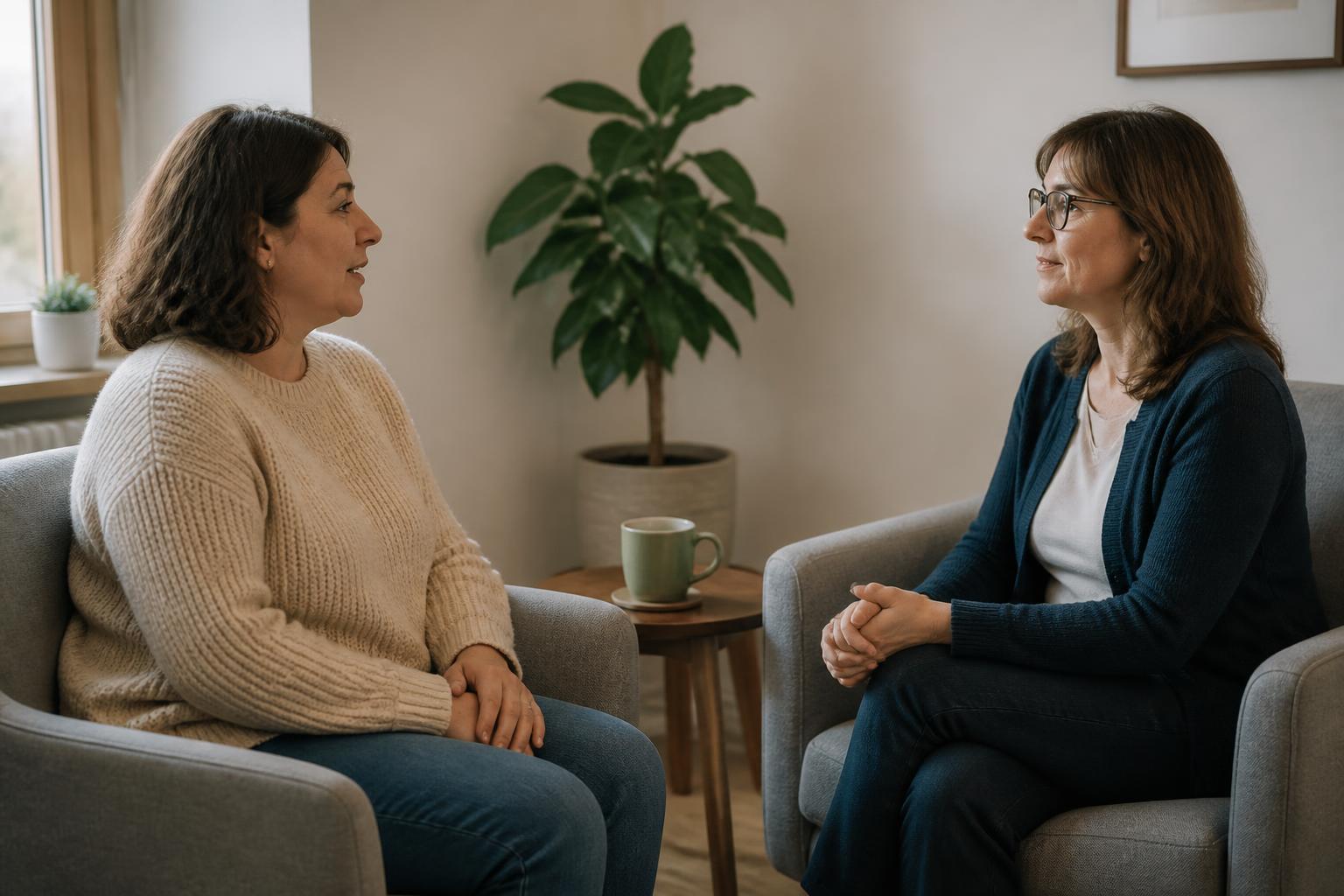
Stalking and harassment can happen in person, online or through other people.
The individual responsible may be a former partner, relative, colleague, neighbour, acquaintance or stranger. What matters is the pattern of unwanted behaviour and the fear, distress or disruption it causes. This page explains how to seek help, preserve evidence and plan for safety.
If somebody is in immediate danger
Call 999 and ask for the police.
If you are calling from a mobile and cannot speak, listen to the operator and press 55 when prompted. Pressing 55 tells the operator that this is a genuine emergency and your call will be put through to the police. Pressing 55 does not allow the police to track or find your location automatically — the police call handler will still try to work out where you are, often by asking simple questions you can answer by tapping, coughing or saying yes or no.
If it is not an emergency, contact your local police on 101 or use your police force's official online reporting service. Do not use online reporting if somebody needs an immediate police response — always call 999 instead.
National Stalking Helpline
Call 0808 802 0300 for free specialist information and advice about stalking.
The Suzy Lamplugh Trust's current helpline page shows opening hours of 9.30am to 8pm on Mondays and Wednesdays and 9.30am to 4pm on Tuesdays, Thursdays and Fridays. No weekend hours are listed. Other websites show different hours, so please check the Trust's own page before you call.
The Trust describes its funded helpline as a national service for victims in England and Wales, alongside a separate pan-London stalking support service. It does not describe itself as covering Scotland or Northern Ireland. If you live in Scotland or Northern Ireland, use the nation-specific routes further down this page.
If somebody may be monitoring this device
Using a private or trusted device may be safer. Changing passwords, deleting history or removing tracking access can sometimes alert the person monitoring the device. Seek specialist advice and act according to immediate safety.
Please also be aware that a "quick exit" button on any website does not erase your browsing history. It only moves you away from the page you are reading.
Understanding what is happening and what you can do
Open any heading below. Each section is practical, and links to the police service, official guidance or specialist organisation that can help.
1. What stalking can look like
Stalking is usually a pattern of behaviour rather than one isolated incident. Police Scotland, for example, describes stalking as two or more actions that make somebody feel fear or alarm.
Behaviour that can form part of a stalking pattern includes:
- following somebody, or waiting near their home, work or school;
- repeated unwanted calls, messages, letters or social-media contact;
- turning up at places the person will be, including events and appointments;
- monitoring or watching, in person or through technology;
- unwanted gifts, cards, flowers or deliveries;
- damaging property, a vehicle or a garden;
- making threats, including threats to harm themselves;
- contacting friends, relatives, employers or colleagues;
- spreading information, rumours or private material about the person.
One incident on its own may seem small. Together, and repeated, the same behaviour can be a serious criminal offence.
2. What harassment can look like
Harassment generally means repeated unwanted behaviour that causes somebody alarm or distress. It can include shouting, abusive messages, intimidation, repeated complaints, following somebody in a shop or street, or persistent unwanted attention.
There is no single UK-wide legal definition. The law differs between England and Wales, Scotland and Northern Ireland, and separate rules again cover harassment at work. The sections on each nation explain the difference, and the police will tell you how they record what has happened to you.
3. Stalking and harassment are not always committed by strangers
Most people picture a stranger. In practice the person responsible is often somebody already known to the person affected: a current or former partner, a relative, a colleague or former colleague, a neighbour, a customer or client, somebody met through a professional or service relationship, a friend of a friend, or an acquaintance from a group, club or online community.
Knowing the person does not make it less serious, and it does not mean the police will not act. It is still a pattern of unwanted behaviour.
4. Online and technology-assisted stalking
Stalking often uses everyday technology. It can include:
- repeated messages across several apps, or new messages after being blocked;
- fake or anonymous accounts, and accounts impersonating the person or their friends;
- access to email, cloud storage or social-media accounts;
- spyware or "monitoring" apps installed on a phone, tablet or computer;
- location sharing left switched on in family, phone or map accounts;
- smart-home devices such as cameras, doorbells, speakers and heating controls;
- trackers or tags, including AirTags and similar devices, hidden in a bag or vehicle;
- shared telephone accounts, where one person can see bills and call records;
- monitoring through a child's phone, tablet, watch or games console.
Refuge publishes free, practical tech-safety guidance covering accounts, devices, location settings and suspected trackers. It is written with safety first, which matters because switching things off can alert the person responsible.
5. Unwanted contact through other people
Contact does not have to be direct. It can come through friends, relatives, colleagues, children, social-media followers, repeated deliveries sent to an address, or false complaints made to an employer, a landlord, a school or a public body.
Indirect contact can form part of a wider pattern, and it is worth recording and reporting alongside everything else. Tell the police when messages are being passed on by other people, because they may not realise the contact is unwanted.
6. Keeping a record safely
A clear record helps the police see the pattern. Where it is safe, note:
- the date and time of each incident;
- where it happened, in person or online;
- what was said or done, in your own words;
- anybody who saw or heard it, and how to contact them;
- any police incident or crime reference number;
- the effect on you — sleep, work, travel, money, health and daily routine.
Keep the record somewhere the person responsible cannot reach: a trusted friend or relative's house, a work account they have no access to, or a notebook kept outside your home.
Never gather evidence if doing so would put you or anybody else in danger. Your safety matters more than a complete record, and the police can work with what you have.
7. Saving digital evidence
Where it is safe to do so, keep:
- screenshots that show the date, time, account name and full message;
- voicemails, and a note of when each one arrived;
- emails, saved with their original headers where possible;
- call logs showing repeated calls, including withheld numbers;
- links (URLs) to posts, profiles and pages;
- account names, handles and profile pictures.
Do not edit, crop or annotate original files. Keep the original and make a copy if you want to highlight something.
Blocking, deleting or reporting an account can sometimes remove the evidence with it. Where you can, save what you have first, and get safety advice from the police or a specialist stalking service before making changes.
8. Do not confront the person to obtain evidence
Nobody should arrange a meeting, reply in order to provoke a response, follow the person, visit their home, or put themselves in any risky situation simply to collect proof.
Confrontation can escalate behaviour very quickly, and it can also make it harder for the police to deal with the case. Report what you already have and let the police investigate.
9. Reporting to the police
Call 999 in an emergency, 101 when it is not urgent, or use your force's official online reporting service for non-urgent reports.
When you report, it helps to describe the whole picture:
- every incident you can remember, and roughly when it started;
- any earlier reports, even to a different force or years ago;
- threats made to you, your children, your family or your pets;
- whether the behaviour is getting worse, more frequent or more personal;
- anything you know about access to weapons;
- any harm or threats to animals;
- children who are affected or present;
- what you are frightened may happen next, and why.
You can ask to speak to somebody of a particular gender, ask for an interpreter, and ask for adjustments if you are disabled, neurodivergent or find speaking on the telephone difficult.
10. If an incident seems minor on its own
A single unwanted message, one delivery or one sighting can feel too small to report. Report it anyway, and explain that it is part of a connected pattern. Stalking offences depend on the course of conduct, so each recorded incident builds the picture.
Ask for an incident or crime reference number every time and keep it with your own record. It makes later reports much faster and shows the history clearly.
11. If your concerns are dismissed
If you feel you are not being taken seriously, you can:
- ask for the report to be reviewed or reconsidered;
- ask to speak to a supervisor or a specialist officer;
- ask what has been recorded, and correct anything wrong;
- make a formal complaint about how you were treated;
- ask a specialist stalking or victim service to advocate for you.
Complaints about the police go to the force first. In England and Wales the Independent Office for Police Conduct explains the process; in Scotland it is the Police Investigations and Review Commissioner; in Northern Ireland it is the Police Ombudsman.
12. Making a personal safety plan
A safety plan is simply a set of arrangements that suit your life. There is no single correct plan, and you do not have to do everything on this list. Many people find it helps to think about:
- two or three trusted people who know what is happening;
- emergency numbers saved and easy to reach, including 999 and 101;
- places you can go at short notice, day or night;
- how you travel, and varying routes or times where practical;
- spare keys, a charged phone and a small amount of money;
- essential medication and important documents kept accessible;
- arrangements for children, including who may collect them;
- arrangements for pets;
- what your workplace, school or college needs to know;
- a code word or phrase that tells somebody to call the police.
A specialist service can help you build a plan around your own circumstances, including where you live, whether you have contact arrangements for children, and any disability or health needs.
13. Home safety
Practical steps at home often include checking that doors and windows lock properly, asking about communal entrances and door-entry systems, improving outside lighting, letting a trusted neighbour know what is happening, and speaking to your landlord or housing provider about repairs and security.
Cameras and doorbells can help, but think first about cost, tenancy or leasehold rules, the privacy of neighbours, and whether installing something might provoke the person responsible. Ask the police or a specialist service what they would suggest for your situation before spending money.
14. Telephone and account safety
Where it is safe to do so:
- change important passwords from a device the person cannot access;
- turn on two-factor authentication on email, banking and social media;
- check recovery email addresses and telephone numbers — an old one can give somebody a way back in;
- review the list of devices and sessions currently logged in;
- contact your telephone provider about a shared or family account, itemised bills and number changes.
Be aware that sudden changes can alert the person responsible, because many accounts send a notification. If you think you are being monitored, get advice from a specialist service or the police about the safest order to do things in.
15. Location tracking and connected devices
Location can be shared in more places than most people expect. It is worth checking:
- location sharing in phone, map and messaging apps;
- family or child-safety accounts set up in the past;
- vehicle apps and built-in car tracking;
- watches, fitness trackers and other wearables;
- shared calendars, photo albums and cloud storage;
- smart-home accounts for cameras, doorbells, locks and heating.
If you find or suspect a hidden tracker, think carefully before removing or destroying it. It may be evidence, and removing it may tell the person that you have found it. Ask the police, or a specialist tech-safety service, what to do first.
16. Social media
It can help to review privacy settings, check who follows you and who can see older posts, turn off live location, limit tagging and check-ins, and look at photographs that show a street name, house number, school uniform or car registration.
You can also ask friends and relatives not to post about where you are, where you are going or where you now live.
None of this is about blame. Nobody causes another person's stalking or harassment by using social media. These are simply steps some people find useful while the police deal with the behaviour.
17. Stalking by a current or former partner
Stalking by a partner or former partner is domestic abuse. It often continues after a relationship ends, and it can intensify around separation, court dates, new relationships or contact arrangements for children.
Free, confidential 24-hour helplines are available across the UK:
- England: National Domestic Abuse Helpline 0808 2000 247.
- Wales: Live Fear Free 0808 80 10 800.
- Scotland: Domestic Abuse and Forced Marriage Helpline 0800 027 1234.
- Northern Ireland: Domestic and Sexual Abuse Helpline 0808 802 1414.
- Men experiencing abuse anywhere in the UK: Men's Advice Line 0808 801 0327. Its own site currently shows telephone hours of Monday to Friday, 10am to 5pm.
18. Stalking involving children
Where children are involved, practical concerns often include school and nursery collection arrangements, contact handovers, children being asked to pass on messages, tracking through a child's devices, and what the school should do if the person turns up.
Tell the school or college's designated safeguarding lead. Schools can restrict who may collect a child and record concerns properly. Ask them to put arrangements in writing.
Ordinary family mediation may not be suitable where there is abuse, fear or coercive control. Say so if you are asked to attend, and ask about safe alternatives.
19. Young people
Young people can be stalked or harassed by a current or former partner, by peers at school or college, by an adult, by somebody met through gaming, or by somebody met online who they have never met in person.
Telling a trusted adult is the most important step: a parent or carer, a relative, a tutor, or the designated safeguarding lead at school or college. Nothing that has happened is the young person's fault, including sending photographs or replying to messages.
Childline is free, confidential and open 24 hours on 0800 1111, and also offers 1-2-1 online chat with a counsellor.
20. Workplace stalking and harassment
Stalking and harassment can come from a colleague, a manager, a former colleague, a customer or a client, and behaviour that starts elsewhere often spills into the workplace.
Practical steps often include:
- reporting it to a manager, HR or a health-and-safety lead;
- asking for your direct telephone number or email to be removed from public listings;
- asking reception and security not to confirm whether you are on site;
- agreeing what staff should do if the person arrives or calls;
- reviewing car parking, shift end times and lone working.
Employment law on harassment at work is separate from the criminal and civil law on stalking. A workplace grievance is not a substitute for reporting a crime to the police, and reporting to the police does not stop you raising it at work.
21. Neighbour harassment
Neighbour disputes can develop into repeated intimidation, threats, watching or filming, interference with property, boundaries or vehicles, and malicious complaints to councils, landlords or other bodies.
Report criminal behaviour to the police. Alongside that, councils, housing associations and private landlords have anti-social behaviour procedures, and both social and private tenants can ask for the reports they have made to be recorded and reviewed.
22. Harassment connected to disability, race, religion, sexuality or identity
Where behaviour is motivated by hostility towards somebody's disability, race, religion, sexual orientation or transgender identity, it may also be recorded as a hate crime, and it may amount to unlawful discrimination in work, housing or services.
Tell the police that you believe this is why it is happening, and ask for it to be recorded as such. In England and Wales you can also report through True Vision. In Scotland and Northern Ireland, Police Scotland and the PSNI publish their own hate-crime reporting routes, including third-party reporting centres.
23. Anonymous or unknown stalking
Not knowing who is responsible is frightening, and it does not stop you reporting. Keep every message, number, account name, link and delivery note, and report the pattern.
Do not try to identify the person yourself, ask followers to find out who they are, or respond in order to draw them out. Investigating is the police's job, and they have powers you do not.
24. False accounts and impersonation
Where accounts are impersonating you or somebody close to you, save the evidence before you report the account, because platforms often remove content immediately.
Then use the correct route:
- report the account to the platform itself;
- report threats, stalking and harassment to the police;
- report fraud or financial impersonation to Action Fraud (or to Police Scotland by calling 101);
- for intimate images shared without consent, adults across the UK can contact the Revenge Porn Helpline on 0345 6000 459, which its site shows as open 10am to 4pm Monday to Friday, excluding bank holidays;
- Report Harmful Content can help if a platform has not acted on a report you have already made.
25. Unwanted gifts, deliveries and financial activity
Repeated gifts, flowers, takeaway orders, taxis, parcels, small payments into an account or attempts to open accounts in your name can all form part of a pattern, even when each item looks harmless or even affectionate.
Record what arrives and when, and keep delivery notes. Do not arrange to meet the sender, and do not return items in person. If money or accounts are involved, tell your bank and consider reporting it to Action Fraud as well as the police.
26. Threats involving pets
Threats to an animal, or harm to one, are a serious warning sign and should be included in what you tell the police and any specialist service. Say clearly if you are staying somewhere unsafe because you will not leave a pet behind.
Specialist schemes can foster pets temporarily for people fleeing domestic abuse, which can remove one of the biggest barriers to getting safe.
27. Moving home or changing your routine
You do not have to uproot your life. Moving home, changing jobs or taking children out of a school are big decisions with lasting consequences, and they are not always the safest option either.
Before making a major change, talk it through with the police, a specialist stalking or domestic-abuse service, your housing provider and, where children are involved, the school. Ask specifically about keeping your address confidential, about how any tenancy or housing application would be affected, and about safety at work or school.
28. Civil orders and protective measures
Alongside criminal charges, courts across the UK can make orders intended to stop unwanted contact or behaviour. Some are applied for by the police, and others by the person affected or their solicitor.
The orders available, the legal tests, the courts involved and the application routes are different in England and Wales, in Scotland and in Northern Ireland. This page cannot tell you which order fits your situation, and no organisation can promise that a court will grant one.
Ask the police what they can apply for, and get advice from a solicitor or a specialist service about anything you might apply for yourself.
29. England and Wales: the legal position
The Protection from Harassment Act 1997 covers harassment and stalking offences in England and Wales, including more serious offences where behaviour causes fear of violence or serious alarm or distress. The Crown Prosecution Service publishes detailed legal guidance on how these offences are charged.
The Stalking Protection Act 2019 allows the police in England and Wales to apply to a magistrates' court for a Stalking Protection Order. Home Office statutory guidance explains that the order can be applied for at an early stage, that it can impose requirements as well as prohibitions, and that since April 2024 the courts apply the civil standard of proof to the fact-finding elements of a full application.
Civil remedies, including injunctions and civil claims under the 1997 Act, may also be available. That is a matter for a solicitor, not for this page.
30. Scotland: the legal position
In Scotland, stalking is a specific offence under section 39 of the Criminal Justice and Licensing (Scotland) Act 2010, which is built around a course of conduct on at least two occasions that causes fear or alarm. Threatening or abusive behaviour is dealt with separately under the same Act.
The terminology used in England and Wales does not transfer to Scotland. Scotland does not currently have a Stalking Protection Order in the England and Wales sense — a proposal for a Stalking Protection (Scotland) Bill has been brought forward in the Scottish Parliament, so check its current stage rather than assuming. Other protective orders and bail conditions may still be available, and Police Scotland or a Scottish solicitor can explain what applies.
Police Scotland publishes advice on stalking and harassment and how to report it, and mygov.scot lists Scottish support services.
31. Northern Ireland: the legal position
The Protection from Stalking Act (Northern Ireland) 2022 created a specific offence of stalking in Northern Ireland. The Public Prosecution Service explains that the Act came into effect on 27 April 2022 and is not retrospective, so behaviour before that date is dealt with under other offences.
nidirect explains that the police in Northern Ireland can apply for a Stalking Protection Order, which it describes as lasting between two and five years, with breach carrying a possible prison sentence. Report stalking to the PSNI.
32. Legal advice and help at court
Sixpence Support UK does not provide legal advice. For advice about your own situation, a solicitor who deals with harassment, family or criminal matters is the right place to start.
Legal aid may be available depending on the type of case, your income and where you live, and each nation has its own scheme. Citizens Advice and Law Centres offer free advice, and victim services can support you through the court process, including pre-trial visits and special measures such as giving evidence behind a screen or by video link.
33. Supporting somebody who is being stalked
If somebody tells you they are being stalked or harassed:
- listen, and believe them;
- do not contact the person responsible, or try to reason with them;
- keep their address, workplace and routine private, including online;
- help them write down incidents safely, and keep a copy for them;
- go with them to report it, or sit with them while they call;
- let them make their own decisions, at their own pace;
- stay in touch, because stalking is isolating and often lasts a long time.
34. Mental-health effects
Living with stalking or harassment is exhausting. People often describe constant anxiety, broken sleep, being unable to relax at home, checking behind them, avoiding places and people, difficulty concentrating at work, and feeling that nobody quite understands.
These are understandable responses to a frightening situation, not a sign of weakness. This page does not diagnose anything — if these feelings are affecting your daily life, please talk to your GP, who can discuss support and treatment options with you.
35. Urgent emotional support
Samaritans is available free, day or night, on 116 123. You can also text SHOUT to 85258 for free, confidential 24-hour text support anywhere in the UK.
These are listening services. They do not replace the police or emergency care. If somebody is in immediate danger, or has seriously harmed themselves, call 999.
36. Questions to ask a specialist service
It is reasonable to ask, at the start:
- which areas or nations of the UK do you cover?
- is what I tell you confidential, and when would you have to share it?
- can you help me with safety planning?
- can you help me report to the police, or speak to them with me?
- can you explain the legal options where I live?
- can you advise on phones, accounts and suspected tracking?
- can you help with children, school and contact arrangements?
- can you help with housing or keeping my address confidential?
- can you meet my access needs — interpreters, BSL, easy-read, a quiet space or text contact?
- what happens next, and how will you contact me safely?
37. Practical checklist
- Deal with immediate safety first — 999 if anybody is in danger.
- Tell at least one trusted person what is happening.
- Report to the police and ask for a reference number each time.
- Keep a dated record of every incident, stored somewhere safe.
- Save digital evidence before blocking or deleting anything.
- Think about children: school, collection and contact arrangements.
- Think about pets, including temporary fostering if you need to leave.
- Tell your workplace, school or college what they need to know.
- Speak to your landlord or housing provider about security.
- Check devices, accounts and location settings — safely, and with advice.
- Tell every service the safest way to contact you, and what not to leave in a message.
Trusted organisations and official services
Every number and set of hours below was taken from the organisation's own current website. Where an organisation does not publish its hours, we have not guessed them.
Specialist stalking support
National Stalking Helpline (Suzy Lamplugh Trust)
Free specialist advice on stalking, safety planning, evidence and reporting. The Trust describes the funded helpline as a national service for victims in England and Wales, with a separate pan-London stalking support service.
Telephone: 0808 802 0300 — 9.30am–8pm Monday and Wednesday; 9.30am–4pm Tuesday, Thursday and Friday
Action Against Stalking
A charity supporting people affected by stalking, listed as a source of support by both mygov.scot and nidirect. Check the current service and contact details on its own website.
Police services
Police in England, Wales and Northern Ireland
Police.uk lets you find your force and its official online reporting service. Do not use online reporting if you need an immediate response.
Telephone: 101 — 999 in an emergency; 101 for non-urgent reports
Police Scotland
Advice on what stalking and harassment are, how to report them, and Scottish support organisations.
Telephone: 101 — 999 in an emergency; 101 for non-urgent reports
Police Service of Northern Ireland
Report stalking and harassment in Northern Ireland to the PSNI, by calling 999 in an emergency or 101 for non-urgent matters.
Victim support
Victim Support
Free and independent of the police. You can get support whether or not you have reported the crime, and however long ago it happened. Its site states that it can only support people in England and Wales.
Telephone: 0808 168 9111 — 24 hours a day, every day
Victim Support Scotland
Free support and information for people affected by crime in Scotland.
Telephone: 0800 160 1985 — 8am–8pm Monday to Friday; 10am–4pm Saturday and Sunday
Victim Support NI
Support for victims and witnesses of crime in Northern Ireland. Check the current contact details and hours on its website.
Domestic abuse helplines
National Domestic Abuse Helpline (England)
Run by Refuge. Live chat is available Monday to Friday 10am to 10pm and weekends 10am to 6pm, and a BSL service operates 10am to 6pm Monday to Friday.
Telephone: 0808 2000 247 — Free, 24 hours a day
Live Fear Free (Wales)
Support in Welsh or English for anyone experiencing domestic abuse or sexual violence, and for friends, family and professionals.
Telephone: 0808 80 10 800 — Free, 24 hours a day, 7 days a week
Scotland's Domestic Abuse and Forced Marriage Helpline
Telephone, web chat, text and email support anywhere in Scotland.
Telephone: 0800 027 1234 — 24 hours a day, 7 days a week
Domestic and Sexual Abuse Helpline (Northern Ireland)
Free and confidential support for anyone aged 18 or over in Northern Ireland.
Telephone: 0808 802 1414 — 24 hours a day, 365 days a year
Men's Advice Line
Confidential support for men experiencing domestic abuse anywhere in the UK.
Telephone: 0808 801 0327 — Telephone Monday to Friday, 10am–5pm (as shown on its own site)
Technology, online abuse and emotional support
Refuge tech safety
Free step-by-step guidance on securing phones, accounts, location settings and smart-home devices, and on what to do about a suspected tracker or tag.
Revenge Porn Helpline
UK support for adults whose intimate images have been shared, or threatened to be shared, without their consent.
Telephone: 0345 6000 459 — 10am–4pm Monday to Friday, excluding bank holidays
Report Harmful Content
Help with reporting harmful online content, particularly when a platform has not acted on a report you have already made.
Samaritans and Shout
For 24-hour text support anywhere in the UK, text SHOUT to 85258 — see Shout. Neither service replaces the police or emergency care.
Telephone: 116 123 — Samaritans: free, 24 hours a day, 365 days a year
Childline
For anyone under 19. Also offers 1-2-1 online chat with a counsellor.
Telephone: 0800 1111 — Free, 24 hours a day, 7 days a week
Free letter and complaint support
If you are struggling to explain a pattern of stalking or harassment, Sixpence Support UK may be able to help you organise events into a clear letter or email for the police, housing provider, employer, school or support service. We cannot investigate incidents, provide legal advice or respond to emergencies.
Important note
Stalking and harassment law and protective procedures differ across the UK. This page provides general information only. Contact the police, a specialist stalking service or a qualified legal adviser for advice about an individual situation.
- [1] Suzy Lamplugh Trust. National Stalking Helpline · 2026
- [2] Suzy Lamplugh Trust. How the National Stalking Helpline can help (hours and coverage) · 2026
- [3] Police.uk. Reporting crime and contacting the police (999, 101 and online reporting) · 2026
- [4] Independent Office for Police Conduct. Make Yourself Heard: understanding the Silent Solution (press 55) · 2026
- [5] Independent Office for Police Conduct. Silent Solution guide (states pressing 55 does not allow police to track your location) · 2026
- [6] Legislation.gov.uk. Protection from Harassment Act 1997 (England, Wales and Northern Ireland application) · 1997
- [7] Legislation.gov.uk. Stalking Protection Act 2019 (England and Wales) · 2019
- [8] Home Office. Stalking Protection Orders: statutory guidance for the police (England and Wales) · 2024
- [9] Crown Prosecution Service. Stalking and harassment: legal guidance · 2026
- [10] Police Scotland. Stalking and harassment: advice and how to report · 2026
- [11] mygov.scot. Support if you are being stalked (Scotland) · 2026
- [12] Legislation.gov.uk. Criminal Justice and Licensing (Scotland) Act 2010, section 39: stalking · 2010
- [13] Scottish Parliament. Proposed Stalking Protection (Scotland) Bill · 2026
- [14] nidirect. Stalking (Northern Ireland) · 2026
- [15] nidirect. Stalking Protection Orders (Northern Ireland) · 2026
- [16] Legislation.gov.uk. Protection from Stalking Act (Northern Ireland) 2022 · 2022
- [17] Public Prosecution Service for Northern Ireland. The offence of stalking · 2026
- [18] Police Service of Northern Ireland. PSNI: advice and how to report · 2026
- [19] Victim Support. Supportline (England and Wales): 0808 168 9111, 24 hours · 2026
- [20] Victim Support Scotland. Contact and helpline hours · 2026
- [21] Victim Support NI. Support for victims of crime in Northern Ireland · 2026
- [22] Action Against Stalking. Support for people affected by stalking · 2026
- [23] Refuge. Tech safety: securing devices, accounts and location settings · 2026
- [24] Refuge. Tech safety: suspected trackers and tags · 2026
- [25] National Domestic Abuse Helpline. 0808 2000 247, free and 24 hours (England) · 2026
- [26] Welsh Government. Contact Live Fear Free: 0808 80 10 800, 24 hours (Wales) · 2026
- [27] Scotland's Domestic Abuse and Forced Marriage Helpline. 0800 027 1234, 24 hours (Scotland) · 2026
- [28] Domestic and Sexual Abuse Helpline. 0808 802 1414, 24 hours (Northern Ireland) · 2026
- [29] Men's Advice Line. 0808 801 0327: support for men experiencing abuse · 2026
- [30] Samaritans. Contact a Samaritan: 116 123, 24 hours · 2026
- [31] Shout. Free, confidential 24/7 text support: text SHOUT to 85258 · 2026
- [32] Childline. Contacting Childline: 0800 1111, 24 hours · 2026
- [33] Childline. 1-2-1 counsellor chat · 2026
- [34] Revenge Porn Helpline. 0345 6000 459: intimate image abuse support (adults, UK) · 2026
- [35] Report Harmful Content. Help reporting harmful online content · 2026
- [36] Action Fraud. Reporting fraud and cyber crime · 2026
- [37] True Vision. Reporting hate crime (England and Wales) · 2026
- [38] Independent Office for Police Conduct. How to complain about the police (England and Wales) · 2026
- [39] Police Investigations and Review Commissioner. Complaints about the police in Scotland · 2026
- [40] Police Ombudsman for Northern Ireland. Complaints about the police in Northern Ireland · 2026
- [41] Citizens Advice. Free, independent advice · 2026
- [42] Law Centres Network. Find a Law Centre · 2026
- [43] GOV.UK. Check if you can get legal aid (England and Wales) · 2026
- [44] mygov.scot. Legal aid in Scotland · 2026
- [45] nidirect. Legal aid in Northern Ireland · 2026